
Best Treks in Nepal: Our Top 10 (Stories, Timing & Tips)
If you’re reading this, Nepal is already calling. Think prayer flags cracking in cold air, trails that tilt toward the sky, and tea houses where the stove is the evening news. At Resurgence Travel, we guide travelers along the Himalaya paths we love—so here are our 10 best treks in Nepal, told as stories rather than checklists. Each pick begins with why it earns a place, then slips into what it truly feels like on the trail, and finally a short “My Experience” vignette that puts you in the moment. By the end, you’ll know which route fits your legs, your calendar, and your idea of wonder. This guide to the best treks in Nepal blends first-hand stories with practical timing and route tips.
1) Everest Base Camp (EBC) — the classic that still surprises
Why we chose it: because nothing prepares you for the first time Everest clears the cloud line and you feel tiny—in the best way. The views over the Khumbu Icefall look like a frozen river mid-roar, and the experience of life above Namche is a slow, steady lesson in patience, breath, and humble bragging rights you’ll keep forever.
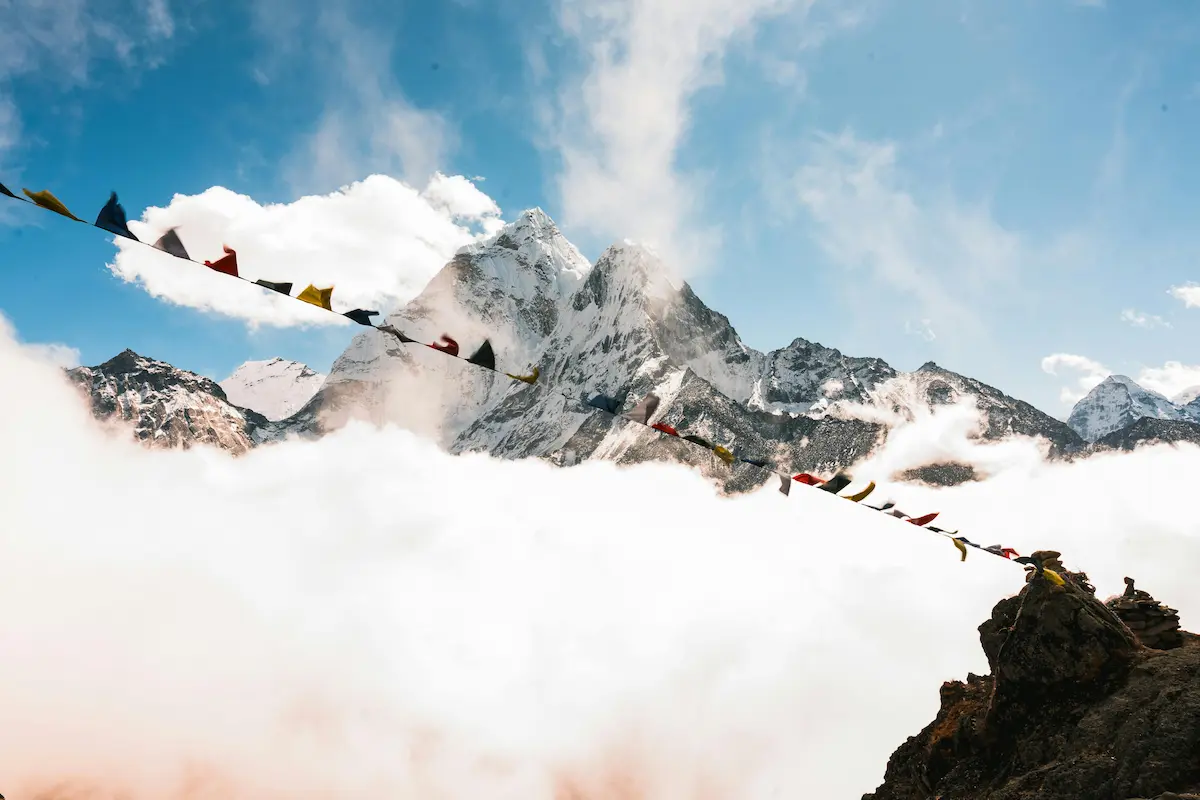
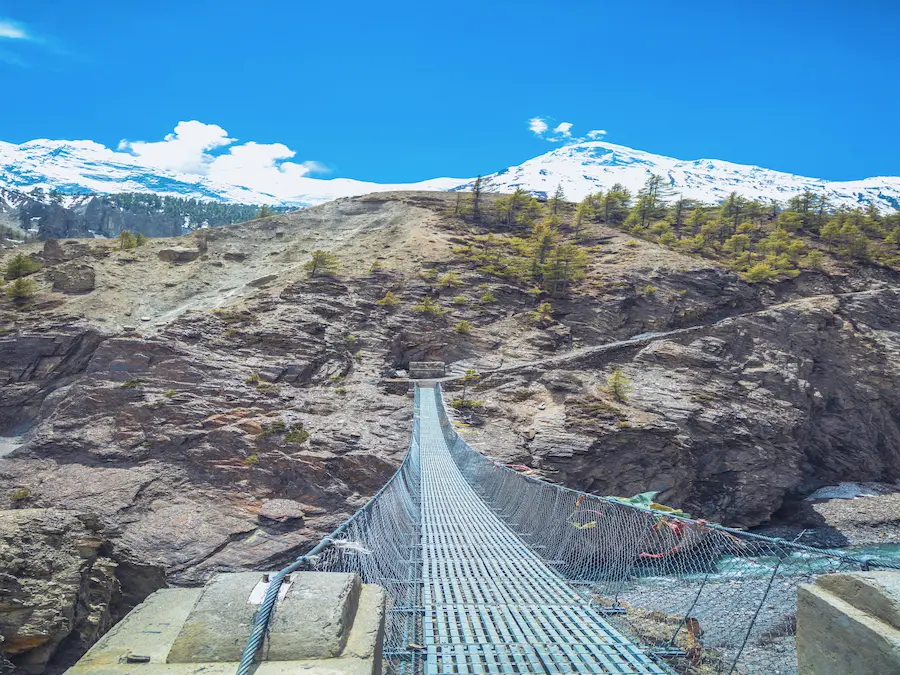
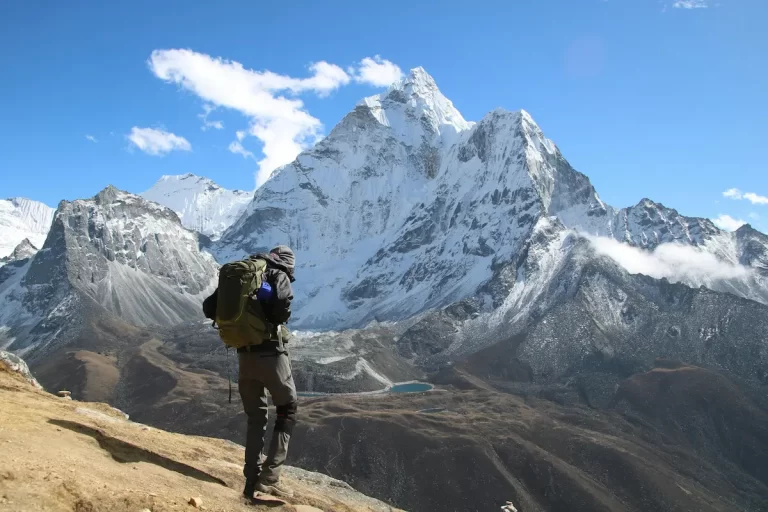
What it’s really like: The EBC trail is a rhythm: suspension bridges that hum under your boots, juniper smoke curling out of tea house chimneys, the long diagonal to Tengboche with Ama Dablam stealing the show. Acclimatization is the quiet hero—walk high, sleep low, repeat—and sunrise from Kala Patthar is the scene everyone remembers when they get home. Best months: March–May, October–November. Who it suits: fit first-timers to intermediates who want the once-in-a-lifetime badge. Our route bakes in smart acclimatization and the option to heli out from Gorak Shep if time is tight.
My Experience (EBC): I wake to a cold room and a hot mug—ginger tea that smells like courage. The trail slips through pines, then the river flashes below as we cross the Hillary bridge and laughter bounces off rock walls. In Namche the first glimpse of Everest feels like a wink, not a roar; we just stand there, quiet. A day later I’m moving slower but surer, learning that breath is a metronome and patience is a superpower. Yak caravans sway past, bells soft as wind chimes, and every “namaste” feels like an invitation to keep going. Above Dingboche the land goes lunar—glacial moraine, big sky, the world simplified to stone and light. I step onto Kala Patthar at dawn and the mountain burns gold while the frost whitens my gloves. In the tea house that night, we swap stories like trading cards and I realize the real summit was the confidence I found along the way.
2) Annapurna Circuit (Short) — one pass, a thousand stories
Why we chose it: because views over Thorong La feel like stepping onto a rooftop the size of a country, and the experience of crossing cultures—Hindu villages turning to Tibetan hamlets—happens day by day under your feet.
What it’s really like: This is Nepal in chapters: terraced fields → pine forests → dry, high desert. Manang is the intermission where you learn to breathe higher, then it’s the pre-dawn push to the pass and the long glide to Muktinath’s prayer flags. We use jeeps strategically so you get the greatest hits without the weeks away. Best months: March–May, October–November. Who it suits: intermediates who want big scenery and variety in 10–12 days.
My Experience (Annapurna Circuit): Morning smells like wood smoke and cardamom while we climb through a forest that creaks with birds. By lunch the valley opens and prayer wheels spin under my palm as if the ridge itself is whispering “go on.” In Manang we sip garlic soup, watch a film about altitude, and learn to listen to the thin air. The acclimatization hike shows me the pass far away, a glittering notch that seems friendly from here. We start before dawn on summit day; headlamps bob, breaths plume, the world pared down to crunch-crunch-crunch. I crest Thorong La and the prayer flags go wild in the wind, a riot of color against clean blue. The descent is long but happy; knees complain while the heart sings. In Muktinath we ring a bell for luck and laugh at our hat hair, dusted white like we earned a badge.
3) Annapurna Base Camp (Sanctuary) — the mountain amphitheater
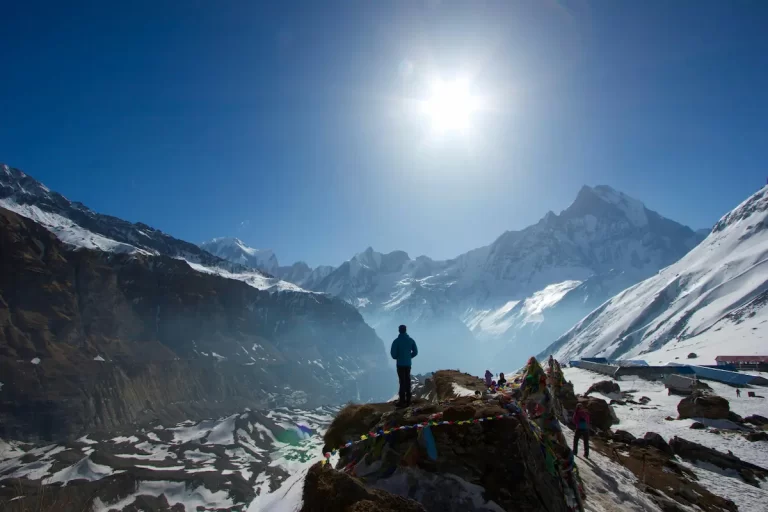
Why we chose it: because the views over the Annapurna Sanctuary close in like a ring of giants, and the experience of waking at MBC is pure magic: steam from your tea, soft pink on the peaks, and that moment when you stop talking because the mountains start.
What it’s really like: Stairs (yes), forests that feel like green cathedrals, then the valley narrows and funnels you into the bowl. The final approach is a quiet crescendo—your footprints crisp in morning snow, then sunlight flips on like a switch across the cirque. Best months: March–May, October–December. Who it suits: beginners with a base of fitness, photographers, and anyone who wants a true “base camp” in under 9 days.
My Experience (ABC): The day begins with chorus: birds, boots, and distant water. Local kids race us on stone steps, their smiles bigger than the hills. We pass rhododendrons in bloom, petals on the trail like confetti from a secret festival. At Deurali the walls pull in and conversation drops to a hush, as if the mountain prefers whispers. Morning at Machhapuchhre Base Camp is silver light and a kettle hissing; my breath fogs as the peaks blush. We stroll into the Sanctuary and the world becomes a bowl of ice and fire—cool air, warm sun. Lunch tastes better at altitude; dal bhat feels engineered for hikers. On the way down, we soak at Jhinu Hot Springs and I swear I can feel the trail unwinding from my calves.
4) Langtang Valley & Kyanjin Ri — big views, short approach
Why we chose it: because views over Kyanjin Ri give you glaciers close enough to count crevasses, and the experience of valley life is intimate: cheese from yak herders, starlight so clean it teaches you new constellations.
What it’s really like: Close to Kathmandu, this trek gets you high drama fast. The valley narrows, the river drums, and Kyanjin’s stupa sits like a bookmark at the end of the chapter. Add Tserko Ri if your legs want bonus glory. Best months: March–May, October–December. Who it suits: first-timers, time-poor travelers, anyone who wants “wow” without a Lukla flight.
My Experience (Langtang): Our jeep rattles out of Kathmandu and into green, the city slipping off our shoulders. The first day is a river soundtrack, bridges and boulders and moss that glows. Tea houses feel like grandparents’ kitchens: warm stoves, gentler voices. By Kyanjin the mountains feel personal, like they’ve learned your name. Dawn starts with frost on prayer flags and a slope that teaches you how to pace yourself. At the top the glacier cracks like distant thunder, and we just stand, tiny and happy. Back in the village, cheese tastes like achievement. Night drops fast and the stars come on like someone flipped a switch in the sky.
5) Gokyo Lakes & Gokyo Ri — turquoise and Everest in one frame
Why we chose it: because the views over the Gokyo lakes look unreal—turquoise bowls set in stone—and the experience of sunrise from Gokyo Ri gives you Everest, Lhotse, and Makalu on a single head-turn.
What it’s really like: It’s the quieter cousin to EBC: smaller crowds, wider horizons, and water that seems photoshopped until you blink. The climb to Gokyo Ri is steep but short—an honest conversation with your lungs—and the ridge panorama is the reward you’ll talk about for years. Best months: March–May, October–November. Who it suits: intermediates, photographers, EBC “alternatives” people.
My Experience (Gokyo): I follow the sound of wind on water as we crest the last rise to the first lake. The color stops me—turquoise that eats the shadows. Children chase our shadows through the village while the bakery serves apple pie with a view. We rest a day because the sky says “wait,” and patience is part of the pact up here. The morning of Gokyo Ri begins soft—quiet boots, quiet minds. The summit is a 360-degree parade of giants; I learn new names for blue. We trace the lakes on the descent, every ripple a small applause. That night I sleep like a stone while the prayer flags whisper and stars draw a map I want to keep.
Explore our Gokyo Lakes trek →
6) Manaslu Circuit — wild edge with a warm heart
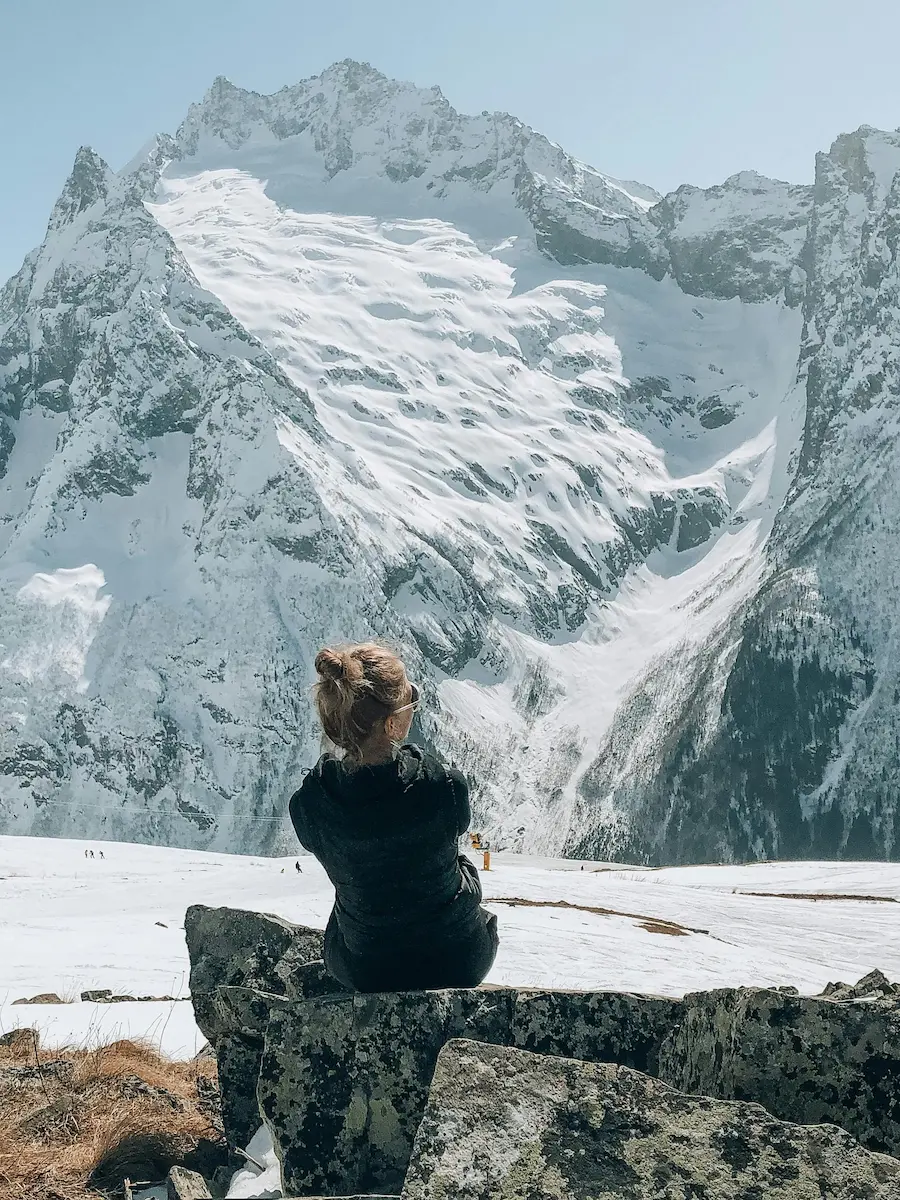
Why we chose it: because views over Larke La arrive after days where the trail feels raw and generous, and the experience of circumambulating Manaslu is a culture class with glaciers as guest lecturers.
What it’s really like: This is for trekkers who like their beauty with a side of remoteness. Villages are fewer, smiles are bigger, and the tea houses feel like they’re rooting for you. The pass day is long; the pride lasts longer. Best months: March–May, October–November. Who it suits: experienced trekkers or strong first-timers with grit who want fewer crowds.
My Experience (Manaslu): A steel bridge shivers under us and the river below muscles past boulders like it has somewhere to be. The trail steps into a world of stone and sky where every mani wall feels earned. In Samagaon we practice the art of going slow; I can feel my body catching up to the mountains. A side hike leads to a glacier tongue licking the valley, blue inside blue. The night before Larke La we lay out layers like armor and trade advice no one asked for but everyone appreciates. Dawn is austere—a string of headlamps in a world without color—until the sun hits the ridge and we all get loud with relief. The descent is long enough to measure by jokes told and snacks eaten. In the final village, our host presses seconds on dal bhat like we’re family who’ve been away too long.
7) Ghorepani–Poon Hill — the sunrise that starts a habit
Why we chose it: because the views over Poon Hill at dawn turn the Annapurnas gold, and the experience of a first trek that’s short, sociable, and wildly rewarding is a gateway—in the healthiest sense.
What it’s really like: This is the happiness loop: stone steps, rhododendrons, friendly tea houses, and a summit crowd that cheers the sun. It’s also a brilliant warm-up for bigger treks later. Best months: Year-round (avoid peak monsoon). Who it suits: beginners, families, anyone with 3–4 days and a camera.
My Experience (Poon Hill): We leave Pokhara after pancakes and lake reflections, trading city sounds for birdsong. The steps stack up like a tidy argument for taking breaks. In Ghorepani we play cards by the stove and learn the Nepali word for “just a little more tea.” The 4 a.m. wake-up hits different when the stars are right there. We climb with headlamps and hot breath and suddenly the horizon smears pink. At the top, strangers become a small festival of “wows.” The sun lifts and the mountains go from outlines to personalities. On the way down, every rhododendron feels like a trophy pinned to the trail.
8) Mardi Himal — a ridge walk to remember
Why we chose it: because views over Mardi’s knife-edge ridge make Machhapuchhre (Fishtail) look close enough to touch, and the experience of cloud-surfing along the crest is pure grin-fuel.
What it’s really like: Quieter than ABC, faster than a long circuit, Mardi is a confident stride above the treeline. Tea houses are simple and sincere; the ridge does the talking. Best months: March–May, October–December. Who it suits: beginners with fitness, short-trip takers basing in Pokhara.
My Experience (Mardi): Forest gives way to edge, and suddenly the world falls off both sides in the best possible way. We follow prayer flags that look like breadcrumbs for the sky. Clouds roll up the slope like slow surf, then spill away to reveal Fishtail playing coy. Lunch is noodles and jokes with a view that makes everything taste better. The afternoon turns silver and the ridge becomes a runway for light. We push a little higher for sunset and the peaks glow like they’re lit from within. Back in the lodge, the fire pops and someone hums a tune that sounds like gratitude. I sleep with that ridge line printed behind my eyelids.
9) Upper Mustang — the wind-carved kingdom
Why we chose it: because views over Lo’s ochre canyons feel like trekking on Mars, and the experience of monasteries, caves, and walled towns turns each day into a living museum walk.
What it’s really like: Mustang is a mood—sun-bleached walls, alleys that braid into courtyards, cliffs pocked with ancient caves. It’s culturally Tibetan, geographically dramatic, and seasonally friendly when rain elsewhere rules out the high trails. Best months: May–October. Who it suits: culture lovers, photographers, travelers who prefer rare over crowded.
My Experience (Mustang): We cross into a drier world where colors harden—saffron cliffs, ultramarine sky, doors painted like talismans. A monk threads us through a courtyard where the air smells of butter lamps. The path leans along a canyon wall and the wind tells stories older than maps. In Lo Manthang we lose hours wandering, each turn revealing a doorway carved by time. A herder on a bluff waves us onto a better line; hospitality here is a compass. The afternoon is a gallery of caves stitched into rock like constellations. We end with salty tea that’s better than it sounds and a sunset that stains the valley in warm clay tones. I fall asleep feeling like I’ve been walking through a legend.
10) Annapurna Circuit + Tilicho Lake — blue mirror bonus
Why we chose it: because views over Tilicho look like someone spilled sapphire into a high bowl, and the experience of tagging a side adventure before Thorong La adds a chef’s-kiss flourish to an already legendary circuit.
What it’s really like: The Tilicho detour is a painter’s shortcut to drama: steep, airy trails and a lake that hoards color like treasure. It dovetails neatly into the shorter Circuit, making a big trek feel bespoke. Best months: March–May, October–November. Who it suits: intermediates chasing “one more epic” on the way to the pass.
My Experience (Tilicho Variant): The side trail tilts immediately and the valley drops away in slow motion. We contour along a balcony path while goats judge our footwork from impossible ledges. The lake arrives all at once—a blue so deep it quiets everyone. We sit with backs against sun-warmed rock and let the view do the talking. The wind lifts and the surface wrinkles like silk. On the return, the path feels friendlier; I know where the air goes thin and where courage thickens. The next morning, Thorong La looks less like an obstacle and more like a handshake we’re ready to make. That night, the map on the tea house wall feels like a diary I’m writing with my feet.
When should I trek in Nepal?
For stable weather and clear views, aim for March–May (spring) or October–November (autumn). Winter can be crisp and quiet; monsoon is lush but cloudy and leans cultural unless you head to Upper Mustang. If you’re optimizing strictly for photography, spring gives rhododendrons and softer haze; autumn brings sky so blue it feels edited.
How long should I plan?
- Short & sweet (3–7 days): Poon Hill, Mardi, Langtang.
- The big feels (8–12 days): ABC, Short Annapurna Circuit, Gokyo.
- The epics (13–16 days): EBC, Manaslu, Upper Mustang, Tilicho variant.
What about fitness and altitude?
Walk-fit beats gym-fit. We build rest and acclimatization into every itinerary and offer Premium packages with an extra buffer day and better rooms where possible. Your job: hydrate, go slow, keep the camera handy. If your watch is counting steps, your lungs are counting stories—trust the lungs.
Ready to plan?
Whether you’re dreaming of Everest Base Camp or a short trek like Mardi Himal, we’ll help you pick the right route, the right season, and the right pace for your body. Start with our free Nepal Trek Planner call—no sales pressure, just straight answers and good maps.
- Explore Everest Base Camp (13 days) →
- Explore Annapurna Base Camp (7–9 days) →
- Explore Langtang Valley (7–9 days) →
- See all Nepal Treks →
Whatever route you choose we want to provide the best treks in Nepal so if you think others should be inlcuded drop us a note in the comments.
FAQ
What’s the best month to trek in Nepal?
Spring (March–May) and autumn (October–November) for clear skies and stable weather. Upper Mustang is monsoon-friendly (May–October).
EBC vs ABC—how do I choose?
Time and altitude profile. EBC includes a flight to Lukla and higher elevation; ABC is shorter with road access via Pokhara and a spectacular mountain “amphitheater.”
Do I need a porter or guide?
Guides are required/strongly recommended in many areas. A porter and guide improve safety, pacing, and cultural insight—and support local communities.
Further Reading (Official & Trusted Resources)
- Nepal Tourism Board (NTB): Trekking Overview
Official info on trekking regions, seasons, and planning. - NTB: TIMS Card & Guide Requirement
Current rules on TIMS and licensed guide requirements. - NTNC: Annapurna Conservation Area Project (ACAP)
Official conservation area details, permits, and updates.
Thanks for this article it’s really helpful – we are going to do EBC in March
If I had the chance, I would have experienced it myself.
Very nice information