
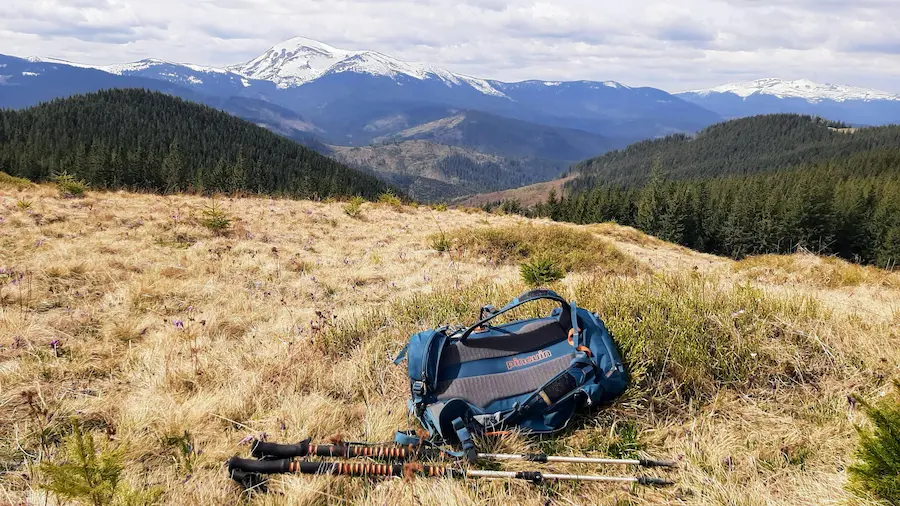
Recommended Gear for Everest Base Camp (What You Really Need)
Everest Base Camp gear can be simple. Pack smart, not heavy. This guide shows exactly what to bring for a spring or autumn teahouse trek—so you stay warm, dry, and comfortable without hauling a mountain on your back.
Quick Gear Checklist (At a Glance)
- Layers: base (2 tops, 1–2 bottoms) → mid (fleece/light puffy) → shell (waterproof jacket & over-trousers)
- Insulation: warm down/synthetic jacket with hood
- Sleep: sleeping bag around –10 °C comfort (+ liner) for spring/autumn teahouse trekking
- Footwear: broken-in trekking boots; 3–4 trekking socks + 1 sleep pair; blister kit
- Daypack: 30–35 L + rain cover; 2 L hydration; snacks; first-aid mini-kit
- Power: headlamp; 10–20k mAh power bank; cables/adapter; keep batteries warm at night
- Optional: trekking poles (great for descents); camp shoes
- Rent in Kathmandu: sleeping bag, down jacket, poles, headlamp, duffel
- Weight reality: Lukla flights often allow ~15 kg total (10 kg checked duffel + 5 kg carry-on)
Seasons, Temps & What That Means for Packing
Best windows: March–May and October–November. Expect warm sun lower down and cold mornings/nights above 4,000 m, with wind exposure on ridgelines. A –10 °C comfort sleeping bag (or a brand’s 0°F/–18 °C spec) plus a liner covers most spring/autumn nights. If you sleep cold, go warmer.
Why “less but better”: you’ll manage temperature, moisture, and fatigue with fewer, smarter layers—then move pieces on/off as the weather shifts.
Bags & Weight Limits
- Daypack: 30–35 L with rain cover. Target 5–7 kg carried by you (water, layers, snacks, power, camera).
- Duffel (porter-carried): aim for 10–12 kg. Use packing cubes or dry bags.
- Lukla flights: plan around ~15 kg combined (10 kg checked + 5 kg cabin). Overages may incur fees and aren’t guaranteed—pack smart.
Split smart: dense items in the duffel; only daily essentials in your daypack.
Clothing Layers (Simple & Reliable)
Base (2 tops, 1–2 bottoms)
- Synthetic or merino; long-sleeve is versatile
- One warmer bottom if you run cold
Mid (one of each is fine)
- Fleece (grid or classic) for daily warmth
- Light synthetic puffy as a flexible boost
Shell (rain + wind)
- Waterproof, breathable jacket with a solid hood
- Over-trousers for wet/windy days
Insulation (your evening warmth)
- Down or synthetic jacket with hood
- Choose something that layers easily over fleece
Accessories
- Buff/neck gaiter, beanie, sun cap
- Glove liners + insulated gloves
- Sunglasses (UV), sunscreen, SPF lip balm
Footwear & Footcare
- Broken-in trekking boots (don’t arrive with brand-new boots)
- Camp shoes for teahouse evenings
- Socks: 3–4 trekking pairs + 1 warm sleep pair
- Blister kit: leukotape or similar, alcohol wipes, tiny scissors
- Pro move: tape hot spots as soon as you feel friction
Boots vs trail runners? Boots are the safe default for mixed terrain and cold. Trail runners can work for experienced hikers who know their feet and pack light—be cautious in shoulder season and snow.
Sleep System for Teahouses
- Sleeping bag: around –10 °C comfort for spring/autumn (go warmer if you sleep cold)
- Liner (silk/fleece) adds warmth and keeps the bag fresher
- Earplugs, eye mask, small pillowcase if you like your own linen
Daypack Essentials (Carry Every Day)
- Water: 2 L total capacity (bottles or bladder) + electrolytes
- Layers: shell and mid-layer ready to grab
- Snacks: 200–300 kcal/day (nuts, bars, dried fruit)
- Headlamp (+ spare batteries)
- First-aid mini-kit: pain relief, blister care, rehydration salts
- Power: 10–20k mAh power bank, short cables, universal adapter
- Hygiene: sanitizer, tissues, lip balm, sunscreen
- Dry bags/ziplocks for electronics and documents
- Trekking poles (folded) if you like them for descents
Electronics & Power Strategy
- Keep power bank and spare batteries warm at night (inner pocket).
- Charge early at the teahouse (outlets get busy; small fees are normal).
- Use airplane mode; lower screen brightness; download offline maps/music before you trek.
Hydration, Water & Hot Drinks
- Aim for 3–4 L/day.
- Boiled water from teahouses is safest (budget for it).
- If you treat your own: filter + disinfect (e.g., chlorine dioxide or UV).
- Add electrolytes daily—altitude and cold can hide dehydration.
Health & First-Aid Basics
- Personal meds + altitude prescription if your doctor advises
- Pain relief, rehydration salts, antiseptic wipes, blister supplies
- Band-aids, small tape roll, a couple of gauze pads, tweezers
- Hand sanitizer; small lotion (air is dry at altitude)
Altitude reminder: if symptoms persist or worsen, descend. No trek is worth your health.
Toiletries & Extras
- Toothbrush/paste, small biodegradable soap, quick-dry towel
- Tissues and a tiny “toilet kit” (hand gel, spare paper)
- Pocket laundry soap for rest-day sink washes
- Earplugs and eye mask for better sleep
Optional Gear
- Trekking poles (highly recommended for knees on descents)
- Camera with spare batteries/SD cards
- Microspikes: not standard in main seasons; consider only with winter conditions or if adding Cho La Pass and the forecast suggests ice
- Lightweight sit pad for cold breaks
What to Rent in Kathmandu (Thamel)
If you don’t want to buy everything, renting in Thamel is a smart budget move:
- Sleeping bag (~–10 °C), down jacket, trekking poles, headlamp, duffel
- Rentals are usually heavier, but warm enough
- Try for fit, check zippers, ask about cleaning
- Last-minute small items (gloves, buffs, socks, dry bags) are easy to buy
We can pre-arrange rentals and do a virtual gear pre-check before you fly. Ask us when you enquire.
How to Pack It All
Duffel (porter-carried, 10–12 kg target)
- Insulation jacket (if not in daypack), spare layers, spare socks
- Sleeping bag + liner, toiletries, backup power, extra snacks
- Dry-bag for electronics or document copies
Daypack (5–7 kg target)
- Shell, mid-layer, hat/gloves, sunglasses
- 2 L water + electrolytes
- Snacks, headlamp, first-aid mini-kit
- Power bank + cables, phone/camera
- Tissues, sanitizer, lip balm, sunscreen
What Not to Bring
- Heavy cotton hoodies, jeans, or anything that stays wet
- Multiple “just-in-case” outfits—teahouse life is simple
- Bulky towels (use a small quick-dry)
- Expensive jewelry or valuables you don’t need
- Too many battery banks (one good 10–20k is enough for most)
Environmental Tips (Leave the Khumbu Better)
- Bring a reusable bottle and buy boiled water at teahouses
- Pack out small trash (wrappers, tape backings)
- Choose biodegradable soap and go light on laundry
- Be mindful at stupas and prayer flags; pass mani walls on the left
Printable EBC Packing Checklist
Daypack (carry daily)
- ☐ 30–35 L pack + rain cover
- ☐ Shell jacket + mid-layer
- ☐ 2 L water capacity + electrolytes
- ☐ Sunglasses, sunscreen, SPF lip balm
- ☐ Snacks (200–300 kcal/day)
- ☐ Headlamp + spare batteries
- ☐ First-aid mini-kit + blister care
- ☐ Power bank + cables + adapter
- ☐ Tissues + sanitizer
- ☐ Trekking poles (optional)
Duffel (porter-carried)
- ☐ Base layers (2 tops, 1–2 bottoms)
- ☐ Fleece + light synthetic puffy
- ☐ Insulated jacket (hooded)
- ☐ Waterproof over-trousers
- ☐ Socks (3–4 trek + 1 sleep)
- ☐ Camp shoes (light)
- ☐ Sleeping bag (≈ –10 °C comfort) + liner
- ☐ Toiletries + quick-dry towel
- ☐ Ziplocks/dry bags
- ☐ Spare camera batteries/SD cards
FAQs: Everest Base Camp Gear
Do I need trekking poles for EBC?
Not mandatory, but very helpful on long descents and when you’re tired. If knees ever bug you, bring them.
Trail runners or boots?
Boots are the safe default for mixed terrain and cold. Experienced hikers who travel very light sometimes use trail runners—be conservative in shoulder season and snow.
What sleeping bag rating is best?
For spring/autumn teahouse trekking, aim for –10 °C comfort (or a 0°F/–18 °C label in some brands), plus a liner. If you sleep cold, go warmer.
Do I need microspikes?
Usually no on the standard EBC route in peak seasons. Consider them only with winter conditions or if you add Cho La Pass and forecasts suggest ice.
Can I rent gear in Kathmandu?
Yes—sleeping bags, down jackets, poles, headlamps, duffels are easy to rent in Thamel. They’re heavier, but fine for warmth. Try before you commit.
How much should my pack weigh?
Target 5–7 kg in your daypack. Keep your duffel around 10–12 kg so you stay under common Lukla limits (~15 kg total) and your porter load remains fair.
What about water treatment?
Boiled water from teahouses is safest. If you treat your own, filter + disinfect (chlorine dioxide or UV). Drink 3–4 L/day including tea/soup.
Further Reading & Trusted Resources
Want to go deeper? These high-quality, authoritative resources are excellent companions to this guide:
- Sagarmatha National Park — Department of National Parks & Wildlife Conservation
Official park overview, contacts, and visitor information for the Everest (Sagarmatha) region. - CDC Yellow Book: High-Altitude Travel & Altitude Illness
Evidence-based guidance on acclimatization, prevention, and treatment of altitude illness for trekkers.
Note: Permit requirements and fees can change. For current local details, check the Khumbu Pasang Lhamu Rural Municipality’s Trek-Card information or ask us before you book.