The Wild History of Patong Beach – From Jungle to Party Town
By Dave Hibbins | June 29, 2025
เลื่อนลงด้านล่างเพื่ออ่านเวอร์ชันภาษาไทย
(Scroll to the bottom for the Thai version)
Before the Beers: Welcome to the Jungle (50,000–6,000 BCE)
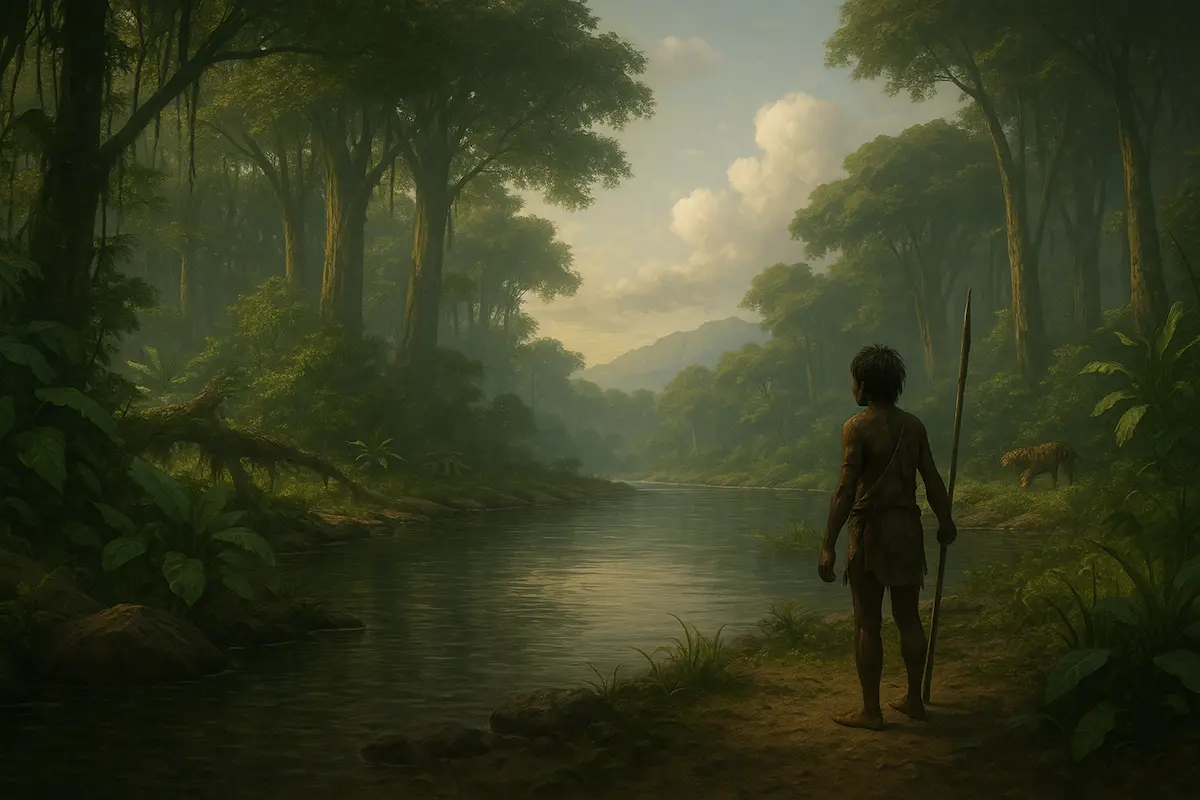
Picture this: you’re standing on Patong Beach — no Bangla Road, no beer, no fluorescent tank tops in sight. Just thick jungle, towering trees, rivers snaking down from the hills, and the occasional tiger slipping through the shadows.
Back then, the first people here weren’t selfie-snapping backpackers. They were tiny, tough hunter-gatherers — pygmy-like forest people, ancestors of today’s Maniq tribes. These legends lived off the land, bare feet on the soil, spears in hand, and not a single Instagram filter in sight.
This was raw, primal Patong. Wild. Beautiful. Alive.
Farming Finds Its Way In (6,000–1,500 BCE) – The Real History of Patong Beach
Fast forward a few thousand years — the jungle’s still thick, but now there’s smoke curling through the canopy. Early farmers have arrived. These Proto-Malay and Mon-Khmer folks came from southern China, armed with seeds, clay pots, and the bold idea that sleeping in the same place two nights in a row might not be such a bad thing.
They carved clearings into the rainforest, planted taro and rice, raised pigs, and probably celebrated good harvests with lively campfire ceremonies. Some merged with the older forest dwellers. Together, they sowed the earliest seeds of village life.
Enter the Sea People – The Chao Leh (1,500 BCE–500 CE)
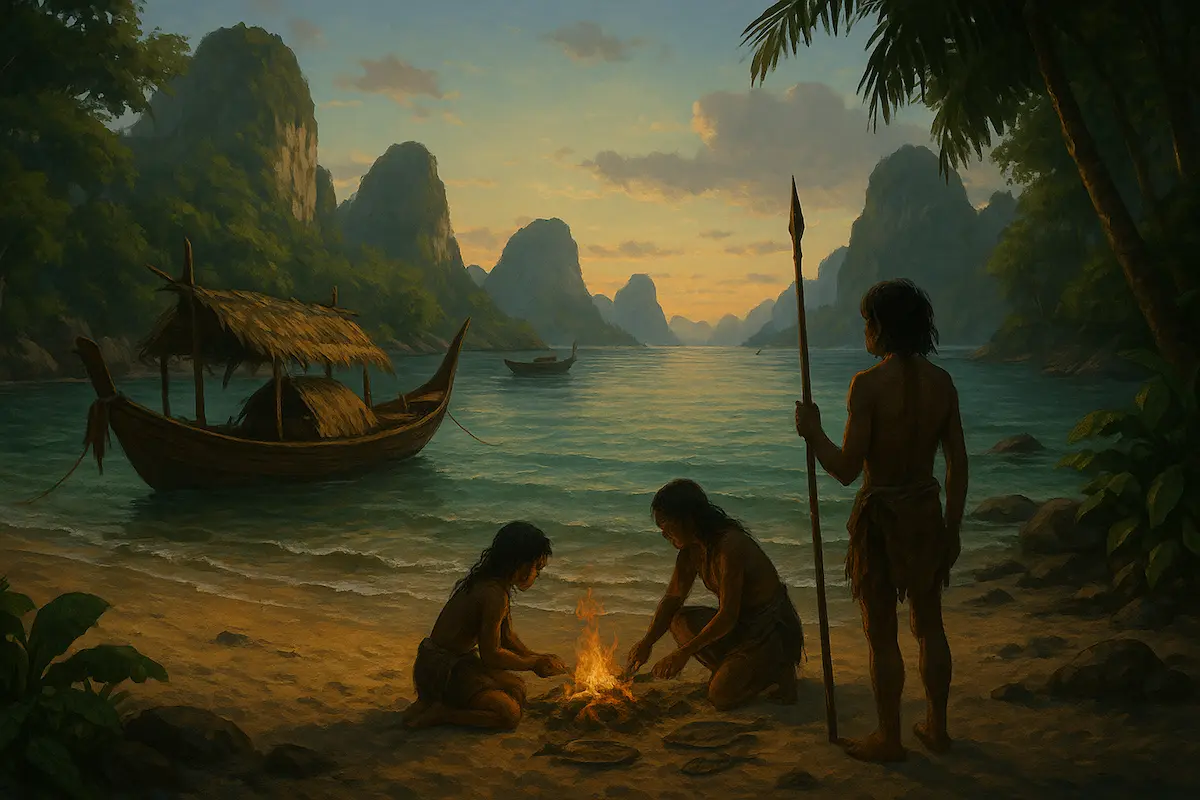
Now the coast starts getting interesting. Enter the Chao Leh — the sea nomads, the true OGs of island life. They didn’t just live by the sea; they lived on it. They slept on boats, cooked over beach fires, and could probably dive deeper than today’s freedivers, all while singing songs to the moon.
The Urak Lawoi and Moken tribes would have looked at Patong Bay and said, “Perfect parking spot.” Calm waters, plenty of fish, and coconuts nearby — their kind of paradise.
They left no castles or cities, just a cultural legacy as fluid and free as the tides they followed. Learn more about the Moken.
Kingdoms, Temples, and Inland Ambitions (500–1300 CE)
While the coast stayed salty and wild, inland Thailand was going golden. Kingdoms like the Mon Dvaravati rose with Buddhas, bells, and early trade networks. Monks wandered into villages, bringing with them a new worldview.
Did Patong suddenly become a religious hub? Not quite. But here on the coast, the jungle still ruled. Inland people came to trade, to fish, or just for a good story by the fire.
The Trade Winds Blow In (1300–1700 CE) – History of Patong Beach Expands
This era brought the spice. Traders from India, Arabia, and China rode the monsoon winds across the Andaman, pulling into friendly bays like Patong to refill water, rest their crews, and maybe flirt with a local or two.
Still no cities — but Patong was now a “rest stop of the sea.” Stories were swapped. Cultures blended. And in that sand, the seeds of transformation were quietly planted.
The Tin Rush & Hokkien Hustle (1800–1940 CE)
Enter the industrial age. The tin boom hits Phuket like a caffeine jolt. Inland areas like Kathu and Phuket Town explode with smokestacks and Chinese miners. Hokkien Chinese families brought architecture, rituals, and the colorful Baba-Nyonya culture.
Patong? Still sleepy, still sandy. But roads begin cutting through the jungle. What once was remote began to rumble with change.
Roads, Radios & Backpackers (1940–1970)
World War II came and went — Patong mostly stayed quiet. But then in 1947, the game changed: the road was built. Suddenly this remote bay was reachable.
By the 1960s, brave, broke, and sunburnt backpackers arrived in search of paradise. They found it here — wooden huts, quiet nights, fishing boats, and unfiltered sunsets. In the History of Patong Beach this is when real change began to make this destination what it is today.
Patong was no longer just a village. It was a secret. And secrets never stay secret for long.
Boomtown: The Wild Ride Begins (1970–1990)
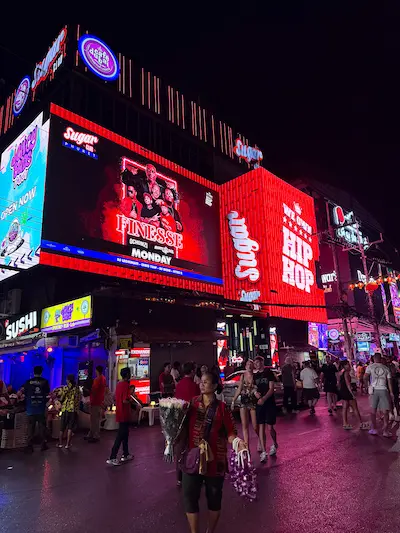
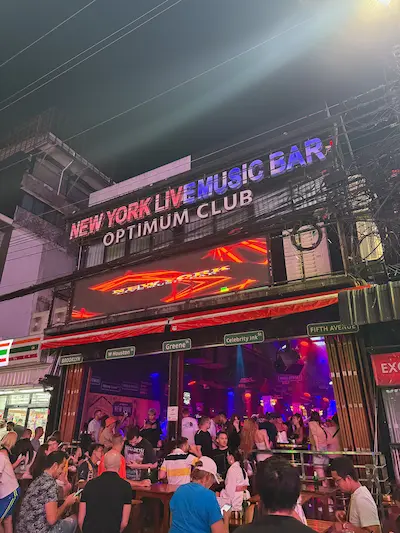
The drumbeat of tourism began. Bungalows became hotels. Dirt tracks turned to pavement. Bangla Road lit up — first with candles, then with neon.
The jungle got bulldozed. Coconut trees made way for bars. Coral reefs suffered. Mangroves vanished. But for many locals, this was both chaos and opportunity.
Patong was transforming into the nightlife capital of Phuket — fast, loud, and unstoppable.
Nature Roars Back: The Tsunami (2004)
On December 26, 2004, disaster struck. The Indian Ocean tsunami crashed ashore, tearing through Patong’s beachfront in seconds. Lives were lost. Businesses flattened. Hearts broken.
But Patong is nothing if not resilient. It mourned, rebuilt, and honored the dead. Sea walls rose. Evacuation routes were marked. And slowly, life returned — not in disrespect, but in defiance. Learn about the 2004 tsunami.
Patong Today (2005–2025): Concrete, Culture & Contradiction
Today, Patong is a full-blown urban beachfront machine. High-rises gleam where jungle once rustled. Rooftop pools sparkle. Street signs glow in five languages.
Massage parlors, tattoo shops, sushi bars, Russian karaoke, and global chains all fight for your attention. But the soul of Patong? It’s still here.
Look to the hills and you’ll see that ancient green still watching. Talk to the right people — the boatman, the fruit seller, the grandma who remembers when the street was sand — and you’ll hear the deeper story. The one beneath the neon.

Final Thoughts: More Than Just a Beach
Patong isn’t just a beach party. It’s a living timeline — layered with tribes, traders, temples, tin, and tourists. It’s been wild, wounded, and reborn. Messy, magnificent, magnetic.
Next time you’re here, do what I do: swim. Wander. Eat something spicy. Talk to a local. Climb a hill. Then pause… and feel the pulse beneath your feet.
📷 Enjoy this story?
Check out Reflections Photography for more visual tales.
🌏 Want the real Phuket?
Book with Resurgence Travel for deeper adventures.
📚 Love real-life stories from Thailand?
Read more at Life of Sonia.
🇹🇭 เวอร์ชันภาษาไทย (Thai Version)
จากป่าดึกดำบรรพ์สู่ศูนย์กลางแห่งปาร์ตี้
โดย เดฟ ฮิบบินส์ | 29 มิถุนายน 2025
สงสัยไหมว่าหาดป่าตองกลายมาเป็นเมืองปาร์ตี้แห่งประเทศไทยได้อย่างไร? จากชนเผ่าดึกดำบรรพ์จนถึงค่ำคืนที่สว่างไสวด้วยแสงนีออน บทความนี้จะพาคุณย้อนรอยประวัติศาสตร์สุดแหวกแนวของป่าตอง
ก่อนเบียร์จะมา: ยินดีต้อนรับสู่ป่า (50,000–6,000 ปีก่อนคริสตกาล)
ลองจินตนาการว่าคุณยืนอยู่บนหาดป่าตอง — ไม่มีถนนบางลา ไม่มีเบียร์ ไม่มีเสื้อกล้ามเรืองแสง มีเพียงป่าทึบ ต้นไม้สูงใหญ่ ลำธารไหลจากภูเขา และบางครั้งอาจเห็นเสือเล็ดลอดเงาไม้
ผู้คนกลุ่มแรกที่มาที่นี่ไม่ใช่นักท่องเที่ยวเซลฟี่ แต่เป็นนักล่าผู้แกร่งกล้า — กลุ่มมนุษย์ป่าขนาดเล็ก บรรพบุรุษของชาวมานิในปัจจุบัน พวกเขาใช้ชีวิตกับธรรมชาติ เท้าเปล่าสัมผัสดิน หอกในมือ และไม่เคยรู้จักฟิลเตอร์อินสตาแกรม
นี่แหละคือป่าตองที่แท้จริง ดิบ เถื่อน และเปี่ยมชีวิต
เกษตรกรรมเริ่มแทรกตัวเข้ามา (6,000–1,500 ปีก่อนคริสตกาล)
ผ่านไปหลายพันปี — ป่ายังแน่นหนา แต่เริ่มมีควันลอยผ่านยอดไม้ เกษตรกรยุคแรกเริ่มเข้ามา คนกลุ่มนี้เป็นชาวโปรโต-มลายู และมอญ-เขมร ซึ่งอพยพมาจากจีนตอนใต้ พร้อมด้วยเมล็ดพันธุ์ หม้อดิน และแนวคิดใหม่ที่ว่า การนอนที่เดิมสองคืนติดกันก็ไม่เลวร้ายนัก
พวกเขาเริ่มถางป่า ปลูกเผือก ปลูกข้าว เลี้ยงหมู และอาจจัดพิธีฉลองผลผลิตรอบกองไฟ คนบางกลุ่มรวมเข้ากับผู้อยู่อาศัยดั้งเดิม กลายเป็นจุดเริ่มต้นของวิถีชีวิตแบบตั้งถิ่นฐาน
ชาวเลผู้เร่ร่อน (1,500 ปีก่อนคริสตกาล–500 ซีอี)
ชายฝั่งเริ่มมีความเคลื่อนไหวมากขึ้น ชาวเลปรากฏตัว — ผู้เร่ร่อนแห่งท้องทะเล ผู้เป็นต้นตำรับแห่งชีวิตบนเกาะ พวกเขาไม่ได้แค่อาศัยอยู่ริมทะเล แต่ใช้ชีวิตอยู่บนทะเล นอนบนเรือ ทำอาหารริมชายหาด และดำน้ำได้ลึกกว่าฟรีไดฟ์เวอร์ยุคใหม่ ทั้งยังร้องเพลงใต้แสงจันทร์
กลุ่มอูรักลาโว้ยและโมเก็นคงมองอ่าวป่าตองแล้วบอกว่า “ที่จอดเรือชั้นดี” น้ำสงบ ปลาอุดมสมบูรณ์ มะพร้าวมีให้เก็บ — สวรรค์ของพวกเขา
พวกเขาไม่ได้สร้างวังหรือเมืองใหญ่ แต่ทิ้งไว้ซึ่งวัฒนธรรมที่ลื่นไหลและเสรีดั่งเกลียวคลื่น เรียนรู้เพิ่มเติมเกี่ยวกับชาวโมเก็น
อาณาจักร วัด และความทะเยอทะยานจากแผ่นดินใหญ่ (500–1300 ซีอี)
ขณะที่ชายฝั่งยังคงเป็นดินแดนเค็ม ๆ ดิบ ๆ แผ่นดินไทยด้านในกลับรุ่งเรืองขึ้น อาณาจักรมอญ-ทวารวดีเริ่มผงาด พร้อมกับพระพุทธรูป ระฆัง และเครือข่ายการค้ายุคต้น พระภิกษุออกเดินทางไปยังหมู่บ้านต่าง ๆ เพื่อนำเสนอแนวคิดใหม่แห่งชีวิต
แล้วป่าตองกลายเป็นศูนย์กลางศาสนาหรือไม่? ก็ไม่เชิง แต่ที่นี่บนชายฝั่ง ป่ายังคงเป็นเจ้านาย คนจากภายในแผ่นดินใหญ่มาเพื่อค้าขาย มาหาปลา หรือเพื่อเล่านิทานรอบกองไฟ
ลมหายใจของการค้า (1300–1700 ซีอี)
ยุคนี้นำกลิ่นหอมของเครื่องเทศมาด้วย พ่อค้าจากอินเดีย อาหรับ และจีนเดินเรือผ่านลมมรสุม ข้ามทะเลอันดามัน แวะเข้าชายฝั่งที่เป็นมิตรอย่างป่าตองเพื่อเติมน้ำ พักลูกเรือ และอาจจะจีบสาวท้องถิ่นบ้าง
ยังไม่มีเมืองใหญ่ — แต่ป่าตองกลายเป็น “จุดพักริมทะเล” เรื่องเล่าถูกแลกเปลี่ยน วัฒนธรรมผสมผสาน และในผืนทรายนั้น เมล็ดพันธุ์แห่งการเปลี่ยนแปลงก็เริ่มเติบโตเงียบ ๆ
ยุคเหมืองแร่และการมาถึงของชาวฮกเกี้ยน (1800–1940 ซีอี)
ยุคอุตสาหกรรมมาถึง การค้นพบแร่ดีบุกสร้างแรงสั่นสะเทือนให้ทั้งภูเก็ต พื้นที่ภายในเช่น กะทู้ และตัวเมืองภูเก็ตเจริญอย่างรวดเร็ว มีปล่องควัน และคนงานเหมืองชาวจีน ชาวฮกเกี้ยนนำสถาปัตยกรรม พิธีกรรม และวัฒนธรรมบาบ๋า-ย่าหยามาด้วย
ป่าตองยังคงเงียบสงบ เต็มไปด้วยหาดทราย แต่ถนนเริ่มเจาะเข้าป่า การเปลี่ยนแปลงไม่ใช่คำถามอีกต่อไป — มันกำลังมาถึง
ถนน วิทยุ และนักเดินทางสะพายเป้ (1940–1970)
สงครามโลกครั้งที่ 2 ผ่านไป — ป่าตองยังคงเงียบ แต่ในปี 1947 ทุกอย่างเปลี่ยนไป: ถนนสายหนึ่งถูกสร้างขึ้น ทำให้ชายฝั่งห่างไกลแห่งนี้เข้าถึงได้
ในช่วงทศวรรษ 1960 นักเดินทางที่กล้าหาญ กระเป๋าแบน และผิวไหม้แดด เดินทางมาค้นหาสวรรค์ พวกเขาพบมันที่นี่ — กระท่อมไม้ กลางคืนที่เงียบสงบ เรือประมง และพระอาทิตย์ตกไร้ฟิลเตอร์
ป่าตองไม่ใช่แค่หมู่บ้านอีกต่อไป มันกลายเป็นความลับ — และความลับไม่มีวันซ่อนอยู่นาน
เมืองแห่งความบันเทิง: การเปลี่ยนแปลงเริ่มต้น (1970–1990)
เสียงกลองแห่งการท่องเที่ยวเริ่มดังขึ้น บังกะโลกลายเป็นโรงแรม ทางดินกลายเป็นถนนลาดยาง ถนนบางลาสว่างไสว — เริ่มจากเทียนไข สู่แสงนีออน
ป่าถูกถาง ต้นมะพร้าวถูกรื้อเพื่อสร้างบาร์ แนวปะการังเสื่อมโทรม ป่าชายเลนหายไป แต่สำหรับชาวบ้านหลายคน นี่คือทั้งความวุ่นวายและโอกาส
ป่าตองกำลังกลายเป็นศูนย์กลางแห่งชีวิตกลางคืนของภูเก็ต — เร็ว แรง และหยุดไม่อยู่
ธรรมชาติคำรามกลับ: สึนามิ (2004)
วันที่ 26 ธันวาคม 2004 ความหายนะมาถึง คลื่นยักษ์สึนามิจากมหาสมุทรอินเดียถล่มเข้าชายหาดป่าตองภายในไม่กี่วินาที ชีวิตสูญเสีย ธุรกิจถูกทำลาย หัวใจแตกสลาย
แต่ป่าตองไม่เคยยอมแพ้ มันไว้ทุกข์ ฟื้นฟู และรำลึกถึงผู้เสียชีวิต กำแพงกันคลื่นถูกสร้างขึ้น เส้นทางอพยพถูกกำหนด และชีวิตค่อย ๆ กลับมา — ไม่ใช่ด้วยความไม่เคารพ แต่ด้วยความกล้าหาญ เรียนรู้เกี่ยวกับสึนามิปี 2004
ป่าตองในวันนี้ (2005–2025): คอนกรีต วัฒนธรรม และความย้อนแย้ง
วันนี้ ป่าตองกลายเป็นเครื่องจักรชายหาดสมัยใหม่เต็มรูปแบบ อาคารสูงระฟ้าตั้งอยู่แทนที่ป่าดั้งเดิม สระว่ายน้ำบนดาดฟ้าเปล่งประกาย ป้ายถนนส่องสว่างในห้าภาษา
ร้านนวด ร้านสัก ร้านซูชิ คาราโอเกะรัสเซีย และร้านค้าทั่วโลก แข่งขันกันเพื่อแย่งความสนใจของคุณ แต่จิตวิญญาณของป่าตอง? ยังอยู่ที่นี่
มองไปที่ภูเขา คุณจะเห็นสีเขียวดั้งเดิมยังคงเฝ้ามองอยู่ พูดคุยกับคนที่ใช่ — คนเรือ คนขายผลไม้ ยายที่จำได้ว่าสมัยก่อนถนนยังเป็นทราย — แล้วคุณจะได้ยินเรื่องราวที่ลึกกว่า เรื่องราวใต้แสงนีออน
ข้อคิดสุดท้าย: มากกว่าชายหาด
ป่าตองไม่ใช่แค่ปาร์ตี้ริมทะเล มันคือเส้นเวลาแห่งชีวิต — เต็มไปด้วยชนเผ่า พ่อค้า วัด แร่ดีบุก และนักท่องเที่ยว มันผ่านความป่าเถื่อน บาดแผล และการเกิดใหม่
ยุ่งเหยิง แต่งดงาม และเต็มไปด้วยแรงดึงดูด
คราวหน้าที่คุณมา ลองทำอย่างที่ฉันทำ: ว่ายน้ำ เดินเล่น กินของเผ็ด พูดคุยกับชาวบ้าน ปีนขึ้นเขา แล้วหยุดสักครู่… เพื่อรับรู้จังหวะชีวิตใต้ฝ่าเท้าของคุณ