What to Pack for a Trek in Nepal – The Ultimate 2026 Nepal Trek Packing List
If there is one place that teaches you the art of smart packing, it is Nepal. From teahouses at 4,000 meters to sunrise viewpoints that steal your breath and your warmth, every gram in your bag matters. Yet everything can feel essential. The question every first-time trekker asks — what do I actually need to bring? — is answered here with a practical, field-tested nepal trek packing list.
Core Trekking Gear
These items form the backbone of every successful trek. Invest once, and they will serve you for years.
- Backpack (45–60 L): Durable internal frame with hip belt, sternum strap, and a fitted rain cover.
- Duffle bag (for porters): Sturdy and water resistant; label it clearly.
- Sleeping bag (rated to –10 °C): Nights are cold even indoors; renting is possible in Thamel.
- Trekking poles: Foldable or telescopic; save knees on long descents.
- Headlamp + spare batteries: Useful for early starts and dim teahouses.
- Hydration system: Bottles or bladder with a minimum 2 L daily capacity.
- Water purification: Filter bottle, UV purifier, or tablets to avoid single-use plastic.
Local tip: Kathmandu’s Thamel district rents or sells most gear, but inspect zippers and seams before trusting them above 4,500 meters.
Clothing Layers
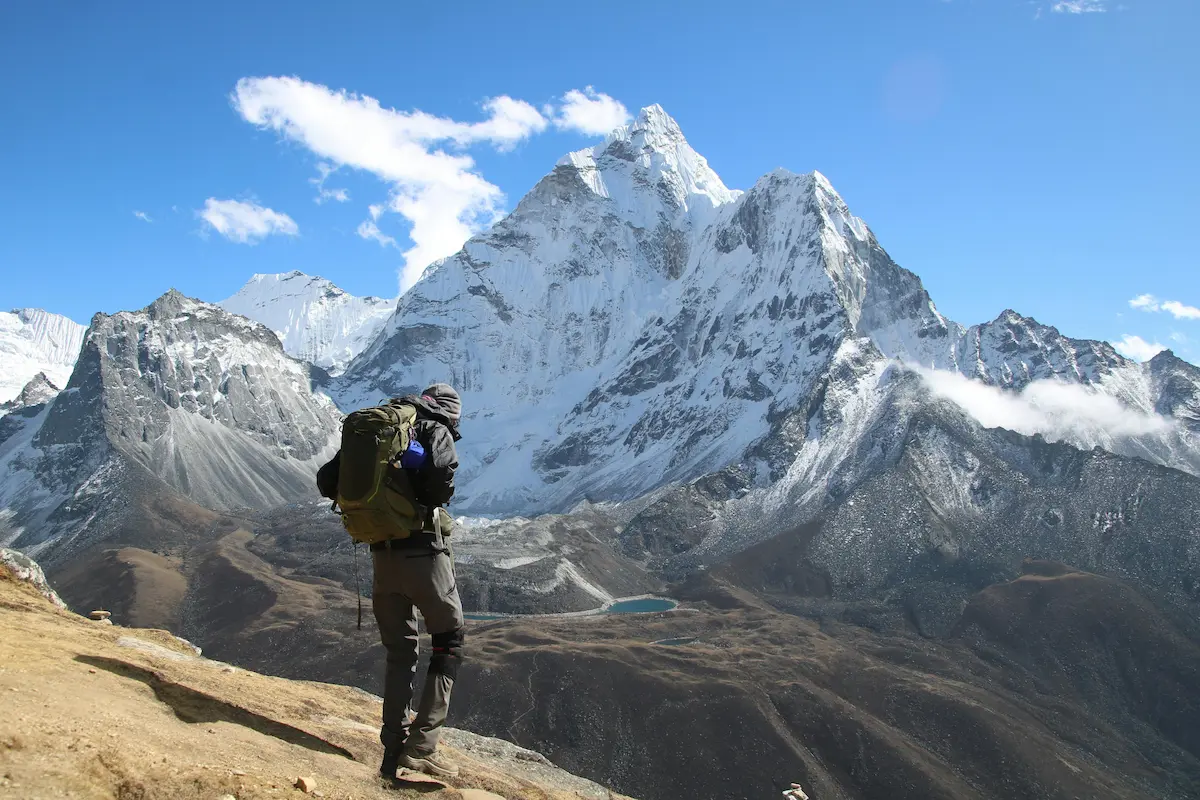
The Himalayas are known for four seasons in one day. Layering keeps you adaptable, warm, and dry.
Base Layer (next to skin)
- Two to three moisture-wicking tops (synthetic or merino).
- One thermal legging for cold nights.
- Quick-dry underwear and sports bras.
Mid Layer (insulation)
- Light fleece or soft-shell jacket.
- Down or synthetic insulated jacket for evenings.
- Trekking pants (one lightweight, one warmer).
Outer Layer (protection)
- Waterproof, windproof shell jacket.
- Waterproof over-trousers.
- Warm hat, buff or neck gaiter, sun hat.
- Gloves: one lightweight pair and one insulated pair.
Footwear & Extras
- Waterproof hiking boots, broken in before your trek.
- Three to four pairs of wool or synthetic socks.
- Gaiters if expecting mud or snow.
- Camp shoes or sandals for teahouse evenings.
Personal Items & Toiletries
- Microfibre towel.
- Biodegradable soap and shampoo bar.
- Toothbrush, toothpaste, floss.
- Sunscreen SPF 50+ and lip balm with SPF.
- Wet wipes and hand sanitizer.
- Compact first-aid kit: plasters, antiseptic, blister pads, pain relief, rehydration salts.
- Any personal medication; consult a doctor if considering altitude medication.
- Snacks for the trail: nuts, energy bars, simple treats.
- Earplugs and sleep mask.
Rent vs Buy in Nepal – To Complete Your Nepal Trek Packing List
Many trekkers arrive in Kathmandu and realise they could have saved baggage and money. Use this guide to decide:
| Item | Rent | Buy | Notes |
|---|---|---|---|
| Down jacket | Yes | No | Common in Thamel for approximately USD 1–2 per day; check zips and insulation. |
| Sleeping bag | Yes | No | Warm, clean bags available; verify temperature rating. |
| Boots | No | Yes | Must be broken in; do not risk rented boots. |
| Trekking poles | Yes | No | Easy to rent; optional if you are a confident hiker. |
| Water filter/UV purifier | No | Yes | Hygiene and reliability; bring your own system. |
When to rent: Bulky items you will rarely reuse (sleeping bag, down jacket). When to buy: Footwear, base layers, and anything related to hygiene or safety.
Renting supports local businesses and keeps your load light. Inspect cleanliness and warmth before you commit.
How Much Weight to Carry
A simple rule of thumb works well across routes:
- Self-carry: Aim for 10–12 kg total pack weight.
- With porter: Keep the duffel at or below 15 kg.
Additional guidance:
- Smaller frames fatigue faster above 3,000 meters; go lighter if possible.
- Keep your heaviest items close to your spine and mid-back — centered rather than high or low — to maintain balance and reduce strain. Lighter gear like your sleeping bag can sit at the bottom, and frequently used items near the top.
- Do a test at home: climb two flights of stairs with your pack; if you are gasping, repack.
- Every unnecessary 500 grams feels like five kilograms by day seven.
Trail Tech & Essentials
- Power bank (10,000 mAh or greater) and charging cables.
- Universal plug adapter (Types C, D, or M in Nepal).
- Smartphone with offline maps (Maps.me, Gaia GPS, AllTrails).
- Camera or action camera with spare batteries and memory cards.
- Optional lightweight solar panel for long routes.
Charging note: Villages may charge USD 2–5 per hour for electricity. A good power bank quickly pays for itself.
Personal Experience Moment
It was my second night in Namche Bazaar, the heart of the Everest trail. I had finally drifted off when my teahouse neighbor began to snore — not the usual kind, but a steady, orchestral thunder that turned the wooden walls into instruments. I pulled the pillow over my head and promised myself I would never forget earplugs again.
The next morning I was also reminded that I had skipped packing a midnight snack. By the time breakfast arrived, I would have traded a camera lens for a plain chocolate bar. That morning taught me that packing is not just about weight; it is about comfort, sanity, and small joys at altitude.
The lesson is simple: bring earplugs, bring a snack, and bring a little forgiveness for the world’s loudest sleepers.
Eco-Friendly and Local Tips
- Rent or buy bulky gear in Kathmandu to support local shops and reduce transport emissions.
- Carry a refillable bottle and purification system instead of buying water.
- Choose solid toiletries where possible to cut plastic waste.
- Pack out all non-biodegradable trash; villages have limited waste systems.
- Consider local, ethically made layers and accessories to support communities.
Quick-Reference Checklist
Essentials: Backpack, duffel (if portered), boots, poles, sleeping bag, headlamp, purification.
Layers: Base, mid, outer, hats, gloves, socks, camp shoes.
Personal: Toiletries, first aid, sunscreen, lip balm, earplugs, snacks.
Admin: Passport, visa, permits, travel insurance, cash, extra photos.
Electronics: Power bank, adapter, phone with offline maps, camera.
FAQs
Can I buy or rent trekking gear in Kathmandu?
Yes. Thamel has many stores offering both branded and budget options. Inspect stitching, zips, and warmth ratings before you buy or rent.
How cold does it get on popular trails?
In peak seasons (October–November and March–April), daytime temperatures often range from 10 to 20 °C. Nights on the Everest route can drop to –10 °C. Always pack an insulated layer.
Should I pack water purification tablets or a filter?
Carry both if possible. Filters handle sediment; tablets or UV help with bacteria and viruses. This approach reduces plastic waste and saves money.
Do teahouses provide blankets?
Generally yes, but they are thin. A sleeping bag rated to –10 °C keeps you comfortable and reduces risk.
What is the biggest packing mistake?
Overpacking “just in case.” It increases fatigue and reduces enjoyment. Rent bulky items and share where possible.
Related Reading
Plan Your Trek
Ready to turn your packing list into plane tickets? Explore Resurgence Travel’s boutique Nepal treks — curated for culture, community, and creativity — and led by trusted local experts. We can tailor small-group or private journeys to match your pace, comfort level, and dates.
View 2026 Nepal Treks | Talk to a Travel Specialist | Download the Nepal Trek Packing List PDF
Further Reading
Nepal Tourism Board – Official Travel & Trekking Information
Authoritative guidance on permits, seasons, regions, and visitor essentials across Nepal.
Himalayan Rescue Association – Altitude Illness Advice
Evidence-based recommendations for acclimatization, hydration, and recognizing symptoms at altitude.