
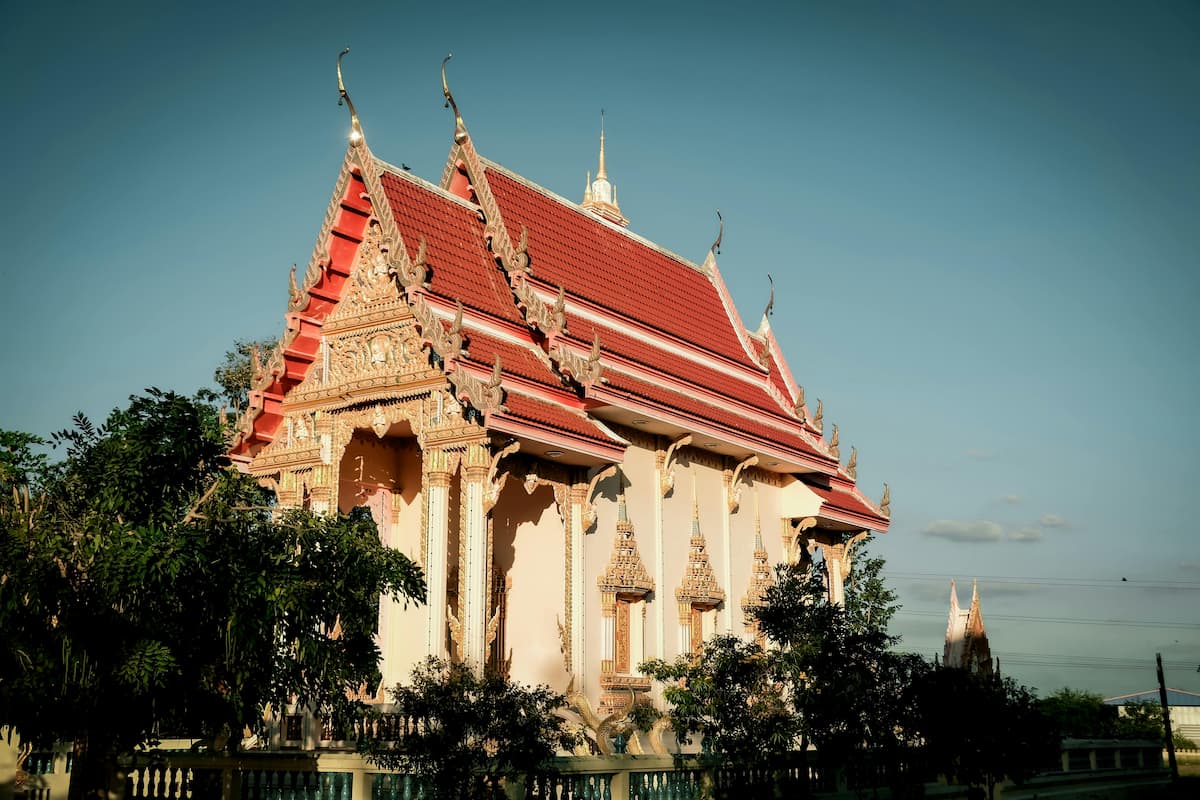
Wat Chalong Phuket – Complete Visitor’s Guide to the Island’s Most Revered Temple
1. Introduction – Why Wat Chalong belongs on every Phuket itinerary
Phuket is famous for beaches so pretty they make postcards jealous. But if you want to feel the island’s heartbeat, you go inland to Wat Chalong Phuket (formally Wat Chaiyathararam). This is where saffron robes catch the morning light, incense curls into the blue, and local families pad quietly across polished floors with marigold garlands in hand. It’s not just a temple you “see”; it’s a place you feel.
We like to arrive just after the gates open, when the air still carries last night’s rain and a bell sounds somewhere in the grounds. A grandmother teaches her grandson to wai; a monk waters a frangipani tree with the calm focus of someone who has all day; and the golden spires of the chedi glint like they’re wearing their own sunrise. On weekends there’s a small market—fresh coconuts, grilled bananas, amulets—and yes, we have been known to do a temple–snack–temple circuit. (For research purposes, obviously.)
If you’re here for culture, photography, or simply the feeling of stepping into something older and gentler than the beach rush, Wat Chalong will leave a mark. This guide gives you the stories, the etiquette, the practicalities, and the small hints locals have passed us over years of visits.
2. A short history of Wat Chalong Phuket
Wat Chalong grew up with Phuket’s tin-mining boom in the 19th century. The exact founding date is hazy (temples are better at making tea than keeping receipts), but the wat was already the area’s spiritual anchor when tensions flared during the Angyee Rebellion of the 1870s. In those uneasy weeks, locals fled to the temple for safety—and two abbots stepped into legend.
Luang Pho Cham & Luang Pho Chuang
You’ll meet them in the viharn—statues garlanded with flowers, incense ash whispering around the offering bowls. Luang Pho Cham is remembered as the monk who could calm a crowd without raising his voice. He mediated between miners and officials, tended the wounded with herbal remedies, and somehow convinced hot tempers to cool down. Luang Pho Chuang, his counterpart, is revered for steady leadership and compassion. Ask locals why the temple matters and you won’t get a lecture—you’ll get stories of these two.
From refuge to revered landmark
Over the 20th century, the complex expanded and was lovingly renovated. Today, the grounds are both practical (this is an active temple) and ceremonial (this is a major cultural site). Mornings bring alms offerings; evenings bring candlelight and a hush that feels older than memory.
3. Architecture you’ll actually want to look at (and photograph)
The Grand Pagoda (Phra Mahathat Chedi)
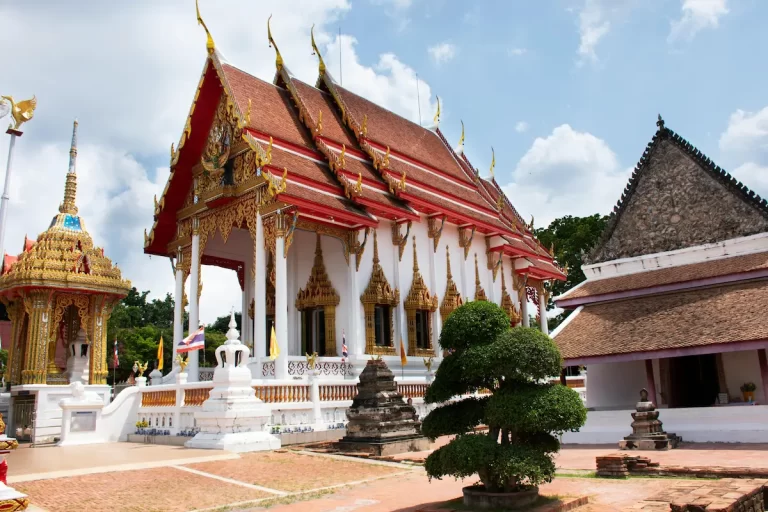
The star of the show: a ~60‑metre chedi said to enshrine a relic of the Buddha. Inside, glowing murals chart the Buddha’s life. Outside, balconies frame palm‑studded hills and, on clear days, a glimmer of the sea. We like to climb late afternoon—gold paints the spires, and everything looks dipped in warm syrup.
- Lower level: quieter shrines, lovely for a short sit.
- Middle galleries: golden Buddhas with mudras (hand gestures) for protection, compassion, and resolve.
- Top deck: breezy, panoramic, surprisingly peaceful. Don’t rush it.
Details reward lingering: mirror mosaics, naga balustrades, eaves carved like floral lace. Take a slow lap; your camera will thank you.
Ubosot (Ordination Hall)
Marked by sema boundary stones, the Ubosot hosts ordinations and big rites. Inside, Jataka murals glow and the principal Buddha image has a presence that nudges voices down to a whisper. This is where many locals come to ask for clarity at life’s crossroads.
Viharns & pocket shrines
Small halls and shrines dot the grounds—some honour protective spirits, others venerate revered monks. Seek the brick firecracker tower: devotees ignite long strings of crackers to thank the spirits for wishes granted. The racket ricochets off the buildings—startling the first time, joyful the next.
Murals & statues
Wat Chalong rewards patient observation. Murals shimmer with gold leaf, guardian figures grin mischievously from the corners of eaves, and bronze and lacquer statues show the soft patina of countless respectful touches. It’s as much an art gallery as it is a place of worship.
4. Religion & Culture – How Life Flows Here
This is a living temple. At sunrise, monks collect alms from nearby streets; by mid‑morning, visitors and locals drift through the grounds with flowers and incense. The pulse of Wat Chalong Phuket is merit‑making—offering food, lighting candles, donating to upkeep, and joining a short chant. If you pause for a minute and watch, you’ll see parents quietly coaching kids on how to kneel, where to place offerings, and why we move slowly. It’s culture taught as muscle memory.
Monks here are community anchors as much as ritual leaders. They bless new shops, counsel families through hard seasons, and send travellers off with a cotton‑thread sai sin tied around the wrist for protection and good luck. You don’t need to be Buddhist to appreciate the kindness built into these gestures—humanity is the common language.
If you’d like to participate respectfully, keep it simple: purchase a small lotus and incense bundle near the entrance, remove your shoes before entering halls, and take a moment of quiet reflection. A small donation (20–100 THB) is welcome and helps maintain this important cultural landmark.
5. Festivals & Events
Wat Chalong Fair
Every year, usually in late January or early February, the temple grounds transform into a vibrant festival space. By day, visitors come to make merit, pray, and offer flowers. By night, it’s a neon‑lit swirl of market stalls, live music, carnival rides, and the smell of grilled squid drifting through the warm air. Families wander with ice creams, kids try their luck at games, and locals shop for herbal balms, amulets, and clothes—all while candlelight flickers quietly inside the halls. It’s Phuket at its most local and most alive.
Major Buddhist Holy Days
On key holy days such as Makha Bucha, Visakha Bucha, and Asalha Bucha, Wat Chalong hosts candlelit processions known as wian tian. Participants walk three times around the chedi, barefoot, carrying a lotus flower, incense sticks, and a candle. The slow river of light and devotion, moving in unison beneath the golden spire, is one of the most moving sights in Phuket.
If you plan to attend, dress modestly, arrive early to find a good spot, and bring a small torch or phone light for navigating paths after dark.
6. Temple Etiquette Survival Guide
- Dress like you’re meeting someone’s grandma — shoulders & knees covered; avoid sheer or tight clothes. Sarongs are your friend.
- Shoes off — remove them before entering halls; never step on the threshold moulding. Slip‑ons = easy win.
- Mind your feet — don’t point soles at Buddha images or people; feet are considered the lowest part of the body.
- Photo etiquette — use natural light, avoid flash, pause during prayers, and ask before photographing people.
- Firecracker tower — it’s loud (on purpose). Great photos; brace for the bang.
- Public affection — keep it PG inside temple grounds.
7. Planning Your Wat Chalong Phuket Visit
- Best time: 7–10am for cool air & soft light; 4–6pm for golden hour.
- Season: Dry (Nov–Apr) = blue skies. Green (May–Oct) = lush gardens, dramatic clouds, post‑rain glow.
- Crowds: Tour buses peak late morning & early afternoon — arrive early or later.
- Money: 20–100 THB notes for donations & offerings.
- Hydration: Bring water & a hat — marble reflects heat.
- With kids: Family‑friendly; try a mural‑spotting game.
- Accessibility: Mostly flat grounds; chedi upper levels require stairs.
8. Getting There (and making it easy)
Location: Chaofa West Road, Chalong — about 8 km south of Phuket Town; handy to Kata/Karon.
- Taxi/Grab: From Patong ~300–400 THB one‑way. Hiring by the hour is efficient if pairing with Big Buddha + a café.
- Motorbike: 200–300 THB/day. Roads are good; ride defensively. Free parking on‑site.
- Guided tours: Easiest way to bundle temple + viewpoints + markets.
Interactive Map – Wat Chalong plus nearby cafés and attractions for a ready‑made mini‑itinerary.
9. Things to See Nearby (turn a visit into a half‑day)
9.1 Big Buddha
Forty‑five metres of marble calm with sweeping views from Chalong Bay to Kata. Busier than Wat Chalong Phuket, but still worth it — especially late afternoon when the breeze picks up.
9.2 Chalong Bay Rum Distillery
Tour, tasting, cocktails in a leafy garden bar — a classy palate cleanser after incense and history.
9.3 Chalong Pier & Bayfront
Great for sunset strolls and boat‑watching along the long pier; sea breezes and easy people‑watching.
9.4 Wat Chalong Weekend Market (on‑site)
Small, friendly, snack‑forward: coconut ice cream, grilled bananas, amulets, incense — a sweet pit stop for offerings or a sugar nudge before the climb.
10. Cafés & Street‑Food Near Wat Chalong
- We Café: Garden‑fresh bowls, smoothies, and a coconut iced coffee that might become a ritual.
- Gallery Café by Pinky: Boho vibe, confident espresso, cakes worth the detour.
- Poached Breakfast Café: Eggs done right, cool air‑con, ideal post‑temple brunch.
- Bake @ Chalong: Buttery croissants, light lunches, breezy seating.
- O‑OH Farm Ta‑Eiad: Coffee with an organic farm backdrop; calming and photogenic.
- Bake Free Café: Cozy nook, solid brews, pastry ambushes (the good kind).
Street‑food tip: Try grilled chicken skewers, khanom krok (coconut pancakes), and pineapple with chilli‑salt — cheap, cheerful, very Phuket.
11. Local Legends & Little Stories
One favourite tale: a farmer brought his ailing buffalo to Luang Pho Cham; the abbot prepared a herbal remedy and the buffalo recovered, working for years. The family returned with offerings season after season — a tradition the grandkids still keep. Fishing families, meanwhile, ask Cham’s blessing before voyages, trusting calmer seas to follow. Myth? Maybe. Meaningful? Absolutely.
12. Photography Tips (beginner → pro)
- Light windows: 7–9am & 4–6pm for gold without glare.
- Lenses: Wide (16–24mm) for grandeur; normal (35–50mm) for murals, mosaics, and hands lighting incense.
- Angles: Frame spires through frangipani; catch reflections on polished floors after light rain.
- Polariser: Cuts glare on bright stone and deepens sky.
- People: Ask, smile, shoot wider — context beats close‑ups.
- Inside: No flash; exhale and brace or bump ISO modestly.
- Composition: Try a low angle to make spires soar; use door frames as natural vignettes; place the chedi off‑centre and balance with a foreground offering.
13. Half‑Day & Day‑Trip Itineraries
13.1 Effortless Half‑Day
- 07:45 – Arrive at Wat Chalong before the tour‑bus crowd; enjoy the chedi & side shrines in peace.
- 08:45 – Climb to the chedi balcony for sweeping views in soft light.
- 09:30 – Brunch at We Café or Poached Breakfast Café for iced coffee & something fresh.
- 10:30 – Continue to Big Buddha for panoramic calm.
- 12:00 – End with a Chalong Bay Rum tasting or seafood by the pier.
13.2 Full‑Day “Culture + Coast”
- Morning: Slow exploration of Wat Chalong (plus weekend market if on).
- Lunch: Espresso & cake at Gallery Café by Pinky.
- Afternoon: Wander Old Phuket Town — murals, Sino‑Portuguese shophouses, boutiques.
- Sunset: Promthep Cape or Kata/Karon viewpoints for golden‑hour drama.
- Dinner: Street‑market snacks, then a relaxed beach bar.
14. Insider Tips That Add Up
- Beat the buses: Before 10am or after 3pm.
- Slip‑ons: Frequent shoe removal — sandals save time.
- Small notes: 20–100 THB for donations & offerings.
- Shade strategy: Hat + water; marble = heat mirror.
- Quiet corners: Side shrines often sit empty — perfect for a mindful pause.
- Respectful rest: Benches under trees make ideal people‑watching spots.
15. Quick FAQ
Why is Wat Chalong famous? For its role in Phuket’s tin‑mining history and the revered monks Luang Pho Cham & Luang Pho Chuang. Architecturally, the Phra Mahathat Chedi enshrines a Buddha relic.
How long do you need? 1–2 hours; longer if visiting during the fair or for photography.
Is there a dress code? Yes — shoulders & knees covered; shoes off indoors; avoid sheer or tight clothes.
Can tourists visit? Absolutely — move gently, watch first, follow local cues.
Is there an entrance fee? No — donations are welcome.
Opening hours? ~07:00–17:00 (varies on festival days).
16. Glossary: Thai Temple Terms
- Wat: Temple complex.
- Ubosot: Ordination hall for important rites.
- Viharn: Prayer hall housing revered images.
- Chedi: Pagoda/stupa, often with relics.
- Wai: Thai gesture of respect.
- Tham bun: Merit‑making.
- Wian tian: Candlelit circumambulation on holy days.
17. Sustainable & Respectful Travel
- Dress & behavior: Respect keeps doors open for future visitors.
- Support local economy: Buy flowers or incense on site; snack at the market.
- Go waste‑light: Refill bottles; bring a tote; skip single‑use plastic.
- Photography consent: Ask first; share later if invited.
Pro tip: The Tourism Authority of Thailand’s Phuket resources complement this guide for festival dates and etiquette details.
18. Conclusion & Next Steps
Wat Chalong is where Phuket’s quieter heartbeat lives — a place of stillness amid surf and scooters. Come early, walk slowly, notice the kindness, and let it work on you. You’ll leave with photos, yes — but also with a feeling you can’t pack, only carry.
Plan Your Cultural Phuket Day
Resurgence Travel — Seamless itineraries built around Wat Chalong with photo‑friendly light, local cafés, and hidden corners.
Keep Exploring Southeast Asia
Go Find Asia — Slow‑travel stories, honest guides, and unexpected detours.
See Thailand Through a Photographer’s Eye
Reflections Photography — Tutorials, galleries, and tips for temples, markets, and coastal viewpoints.
1. แนะนำ – ทำไมวัดฉลองควรอยู่ในทุกทริปภูเก็ต
ภูเก็ตดังเรื่องหาดสวยระดับโปสการ์ดยังเขิน แต่ถ้าอยากแตะหัวใจของเกาะจริง ๆ ให้มุ่งหน้าเข้าฝั่งสู่ วัดฉลอง ภูเก็ต (ชื่อทางการ วัดไชยธาราราม) ที่นี่จีวรสีเหลืองของพระสะท้อนแสงเช้า กลิ่นธูปลอยวนขึ้นท้องฟ้า และครอบครัวท้องถิ่นเดินบนพื้นหินแกรนิตอย่างเงียบงามพร้อมพวงมาลัยดาวเรือง นี่ไม่ใช่แค่วัดที่มา “ดู” แต่มา “รู้สึก”
เราเล็งมาตอนประตูเพิ่งเปิด อากาศยังมีไอฝนเมื่อคืนระเรื่อ ๆ ระฆังดังอยู่ไกล ๆ ยายสอนหลานไหว้ (wai) พระรูปหนึ่งรดน้ำต้นลีลาวดีด้วยสมาธินุ่มนวล ยอดเจดีย์ทองวาวเหมือนสวมแสงอาทิตย์ของตัวเอง เสาร์–อาทิตย์จะมีตลาดเล็ก ๆ ในพื้นที่วัด—มะพร้าวสด กล้วยปิ้ง เครื่องราง—and ยอมรับว่าเรามีรูต “ไหว้พระ–กินเล่น–ไหว้พระ” อยู่บ่อย ๆ (เพื่อการวิจัย แน่นอน)
ถ้าคุณชอบวัฒนธรรม การถ่ายภาพ หรือแค่อยากซึมซับความสงบอ่อนโยนท่ามกลางเกาะที่คึกคัก วัดฉลองจะติดอยู่ในใจ บทความนี้รวมเรื่องเล่า มารยาท ข้อมูลใช้งาน และทริกเล็ก ๆ ที่ชาวภูเก็ตกระซิบบอกเรามาตลอดหลายปี
2. ประวัติย่อของวัดฉลอง ภูเก็ต
วัดฉลองเติบโตคู่กับยุคเหมืองแร่ดีบุกของภูเก็ตในศตวรรษที่ 19 ปีที่ก่อตั้งอาจคลุมเครือ (วัดถนัดชงชา มากกว่าชงเอกสาร) แต่ที่แน่ ๆ วัดแห่งนี้เป็นศูนย์รวมจิตใจของชุมชนอยู่แล้วเมื่อเกิดความตึงเครียดช่วง “กบฏอั้งยี่” ทศวรรษ 1870 ในช่วงนั้นชาวบ้านหนีภัยเข้ามาพึ่งพาวัด—และทำให้เจ้าอาวาสสองรูปก้าวสู่ตำนาน
หลวงพ่อแช่ม & หลวงพ่อช่วง
คุณจะพบรูปเหมือนของท่านในวิหาร—พวงดอกไม้คล้อง ไอธูปลอยกรุ่น หลวงพ่อแช่มมักถูกเล่าว่า “พูดน้อยแต่คลายปมใหญ่” ช่วยไกล่เกลี่ยระหว่างคนงานกับเจ้าหน้าที่ เยียวยาผู้บาดเจ็บด้วยสมุนไพร และทำให้อารมณ์ร้อนเย็นลงได้ หลวงพ่อช่วงคู่บารมี โดดเด่นเรื่องภาวะผู้นำที่มั่นคงและเมตตาธรรม ถามชาวบ้านว่าทำไมวัดสำคัญ คุณจะได้ “เรื่องเล่า” ไม่ใช่ “เลคเชอร์”
จากที่พึ่งสู่สัญลักษณ์ศรัทธา
ศตวรรษที่ 20 มีการขยายและบูรณะหลายระลอก คงเอกลักษณ์ไทยคลาสสิกพร้อมบทบาทของวัดที่ยัง “มีชีวิต” ทุกเช้ามีการทำบุญตักบาตร ค่ำลงแสงเทียนไหวและความสงบที่เหมือนไหลมาจากความทรงจำเก่ากว่าเรา
3. สถาปัตยกรรมที่คุณจะอยากมอง (และถ่ายรูป)
พระมหาธาตุเจดีย์ (Phra Mahathat Chedi)
ดาวเด่นของวัด: เจดีย์สูงราว 60 เมตร ว่ากันว่า บรรจุพระบรมสารีริกธาตุ ด้านในมีจิตรกรรมพุทธประวัติเรืองแสงทอง ด้านนอกระเบียงชมวิวกรอบเอาป่ามะพร้าวและวันดี ๆ จะเห็นระยิบทะเล เราชอบขึ้นช่วงบ่ายแก่ ๆ—ทองทั้งองค์เหมือนถูกเคลือบน้ำผึ้ง
- ชั้นล่าง: ศาลาย่อยเงียบสงบ เหมาะนั่งนิ่ง ๆ สั้น ๆ
- ชั้นกลาง: พระพุทธรูปทองหลายปาง—ปางป้องกัน ภาวนา มุ่งมั่น
- ดาดฟ้า: ลมพัดโปร่ง มุมมองรอบทิศ อย่ารีบ
รายละเอียดคุ้มการยืนดูนาน ๆ: โมเสกกระจกงามระยับ นาคระเบียงเป็นเงางามชายคาแกะสลักลายดอกไม้ละมุน เดินวนช้า ๆ กล้องคุณจะขอบคุณ
อุโบสถ (Ordination Hall)
มีศิลาหินเขต (เสมาหิน) ล้อมกำหนดเขตพิธีสำคัญ ภายในมีจิตรกรรมชาดกส่องประกาย ภาพพระประธานทำให้เสียงเราเบาลงโดยอัตโนมัติ หลายครอบครัวมาขอพรที่นี่ยามชีวิตอยู่ตรงทางแยก
วิหารและศาลาย่อม ๆ
ทั่วลานวัดมีศาลาเล็ก ๆ บ้างถวายแดนเทพารักษ์ บ้างยกย่องพระเกจิ ลองหา “หอประทัด” อิฐสีส้ม—ชาวบ้านมาจุดประทัดยาว ๆ แสดงความขอบคุณเมื่อคำขอเป็นจริง เสียงดังสะท้อนอาคาร ครั้งแรกสะดุ้ง ครั้งต่อไปยิ้ม
จิตรกรรม & รูปปั้น
วัดฉลองให้รางวัลกับคนที่มองช้า ๆ จิตรกรรมกนกทองระยับ ยักษ์ทวารบาลมุมชายคายิ้มมุมปาก รูปหล่อบรอนซ์และรักเคลือบเป็นเงามันจากการสัมผัสอย่างเคารพนับครั้งไม่ถ้วน มันคือเส้นทางศิลปะในพื้นที่ศักดิ์สิทธิ์
4. ศาสนาและวัฒนธรรม – จังหวะชีวิตที่ไหลอยู่ที่นี่
นี่คือ “วัดที่มีชีวิต” เช้าตรู่มีพระออกบิณฑบาต สาย ๆ คนทั้งท้องถิ่นและผู้มาเยือนแวะเวียนมาถวายดอกไม้ จุดธูป บริจาค และร่วมสวดเล็ก ๆ เราชอบเห็นพ่อแม่ค่อย ๆ สอนลูก—จะคุกเข่ายังไง วางดอกไม้ตรงไหน ทำไมต้องขยับตัวช้า ๆ วัฒนธรรมถูกสอนผ่านความเคยชินของกาย
พระที่นี่ไม่ใช่แค่ผู้นำพิธี พวกท่านยังเป็นหลักของชุมชน—เจิมร้านใหม่ ปรึกษาปัญหาครอบครัว และผูกสายสิญจน์ให้ผู้เดินทางพร้อมคำอวยพรเบา ๆ ว่าไปดีมาเด้อ คุณไม่ต้องเป็นพุทธก็สัมผัส “ความเป็นมนุษย์” ในท่าทีเหล่านี้ได้
อยากร่วมอย่างเคารพ ทำง่าย ๆ: ซื้อชุดดอกบัว–ธูปใกล้ทางเข้า ถอดรองเท้าก่อนเข้าพระอุโบสถ/วิหาร นั่งเงียบสักนาที บริจาคเล็กน้อย (20–100 บาท) ช่วยคงพื้นที่วัฒนธรรมสำคัญนี้ไว้
5. เทศกาลและกิจกรรม
งานวัดฉลอง (Wat Chalong Fair)
ช่วงปลายมกราคม–ต้นกุมภาพันธ์ ลานวัดจะเปลี่ยนเป็นงานวัดใหญ่ กลางวันผู้คนมาทำบุญกราบไหว้ กลางคืนกลายเป็นโลกของแสงนีออน ดนตรี ซุ้มเกม และกลิ่นปลาหมึกย่างในอากาศ เด็ก ๆ หัวเราะบนชิงช้าสวรรค์ ป้าขายยาหม่องสมุนไพร ต่อรองกันอย่างออกรส ขณะเดียวกันในวิหารเทียนยังวูบไหวและบทสวดยังคงไป—นี่แหละภูเก็ตในเวอร์ชันท้องถิ่นที่สุด
วันสำคัญทางพุทธศาสนา
ในวันมาฆบูชา วิสาขบูชา และอาสาฬหบูชา จะมีพิธี เวียนเทียน (wian tian) รอบเจดีย์สามรอบ ถือดอกบัว ธูป เทียน เดินเท้าเปล่าช้า ๆ แสงเทียนเป็นสายธารในความมืด—เรียบง่ายแต่งดงามและซาบซึ้งถ้าคุณร่วมอย่างเคารพ
ถ้าจะไปร่วม ควรแต่งกายสุภาพ ถึงก่อนเวลา หาโซนยืนดี ๆ และพกไฟฉายเล็ก ๆ หรือใช้ไฟมือถือสำหรับทางเดินยามค่ำ
6. คู่มือมารยาทในวัดแบบรวดเร็ว
- แต่งกายราวกับจะไปหาคุณยาย — ปิดไหล่และเข่า เสื้อผ้าไม่บาง–ไม่รัดรูป ผ้าถุง/ผ้าซิ่นแก้ได้ทุกสถานการณ์
- ถอดรองเท้า — ก่อนเข้าพื้นที่วิหาร/อุโบสถ และอย่าเหยียบธรณีประตู รองเท้าแบบสวมง่ายชนะเลิศ
- เรื่องเท้า — อย่ายื่นฝ่าเท้าไปทางพระพุทธรูปหรือผู้อื่น เท้า=ส่วนต่ำ ศีรษะ=ส่วนสูงในวัฒนธรรมไทย
- มารยาทการถ่ายภาพ — ใช้แสงธรรมชาติ เลี่ยงแฟลช เว้นระยะตอนมีพิธี ขออนุญาตก่อนถ่ายคน
- หอประทัด — ตั้งใจให้ดัง! รูปสวย แต่อาจสะดุ้งครั้งแรก
- สาธารณะรัก — เก็บไว้แบบ PG ภายในวัด
7. วางแผนเที่ยววัดฉลอง ภูเก็ต
- เวลาที่ดี: 7–10 น. อากาศเย็น แสงนุ่ม; 16–18 น. โกลเดนอาวร์
- ฤดูกาล: หน้าแล้ง (พ.ย.–เม.ย.) ฟ้าสวย; หน้าฝน (พ.ค.–ต.ค.) สวนเขียว เมฆดรามาติก แสงหลังฝนมหัศจรรย์
- คนเยอะ: รถทัวร์มากช่วงสายถึงบ่ายต้น—ชิงเช้าหรือมาตอนเย็น
- เงินย่อย: พกแบงก์ 20–100 บาท สำหรับบริจาคและเครื่องไหว้
- น้ำ–หมวก: พื้นหินสะท้อนความร้อนจ้า ดื่มน้ำบ่อย ๆ
- พาเด็กมา: ได้เลย สอนเสียงเบาในอาคาร และชวนเล่นเกม “ล่าจิตรกรรม”
- การเข้าถึง: ลานราบ เดินสบาย แต่ขึ้นชั้นบนเจดีย์ต้องใช้บันได
8. การเดินทาง (ให้ง่ายเข้าไว้)
ที่ตั้ง: ถนนเจ้าฟ้าตะวันตก ตำบลฉลอง—ห่างตัวเมืองภูเก็ตราว 8 กม. สะดวกต่อหาดกะตะ/กะรน
- Taxi/Grab: จากป่าตองประมาณ 300–400 บาท/เที่ยว เหมารถรายชั่วโมงคุ้มถ้าจะไป Big Buddha และคาเฟ่ต่อ
- มอเตอร์ไซค์เช่า: 200–300 บาท/วัน ถนนดี แต่ขับแบบระมัดระวัง มีที่จอดในวัด
- ทัวร์: สบายใจ รวมวัด + จุดชมวิว + ตลาด ได้ในวันเดียว
แผนที่อินเทอร์แอคทีฟ – วัดฉลอง พร้อมคาเฟ่และจุดแวะใกล้ ๆ วางแผนทริปเล็ก ๆ ได้ทันที
9. ที่เที่ยวใกล้ ๆ (ต่อยอดเป็นครึ่งวัน)
9.1 Big Buddha
พระพุทธรูปหินอ่อนสูง 45 เมตร สงบนิ่งพร้อมวิวกว้างจากอ่าวฉลองถึงกะตะ คนเยอะกว่าวัดฉลอง แต่คุ้ม โดยเฉพาะยามลมบ่ายโชย
9.2 Chalong Bay Rum Distillery
ทัวร์–ชิม–ค็อกเทล ในสวนสวย จิบแล้วคลายโหมดธูปและประวัติศาสตร์ได้อย่างมีระดับ
9.3 ท่าเรือฉลอง & ริมอ่าว
เดินเล่นยามเย็นบนสะพานยาว ชมเรือโยกคลื่น ลมทะเลพัดเบา ๆ ให้ฟีลฉากหนังท่องเที่ยวชิล ๆ
9.4 ตลาดสุดสัปดาห์ในวัดฉลอง
ขนาดกำลังดี บรรยากาศกันเอง เน้นของกิน—coconut ice cream, กล้วยปิ้ง, เครื่องราง, ธูป เที่ยววัดเสร็จเติมหวานนิดก่อนขึ้นเจดีย์
10. คาเฟ่และสตรีทฟู้ดใกล้วัดฉลอง
- We Café: สลัดสด ชามสุขภาพ สมูทตี้ และ coconut iced coffee ที่อาจกลายเป็นพิธีกรรมใหม่ของคุณ
- Gallery Café by Pinky: โบโฮนิด ๆ เอสเปรสโซมั่นใจ เค้กคุ้มค่าอ้อมไป
- Poached Breakfast Café: ไข่ทำดี แอร์เย็นสบาย เหมาะมากหลังเดินวัด
- Bake @ Chalong: ครัวซองต์ชั้นสวย อาหารกลางวันเบา ๆ ที่นั่งโปร่ง
- O‑OH Farm Ta‑Eiad: กาแฟท่ามกลางฟาร์มออร์แกนิก สงบกว่าที่คิด
- Bake Free Café: มุมเงียบ เครื่องดื่มไว้ใจได้ อันตรายคือขนม (ในทางที่ดี)
สตรีทฟู้ดที่ควรลอง: ไก่ย่างเสียบไม้ khanom krok (ขนมครกมะพร้าว) และสับปะรดโรยพริกเกลือ—ถูก อร่อย และเป็นภูเก็ตแท้ ๆ
11. ตำนานท้องถิ่นและเรื่องเล่าเล็ก ๆ
วัดฉลองมีเรื่องเล่าที่ชาวบ้านรักจะเล่าให้ฟัง หนึ่งในนั้นคือ “หลวงพ่อแช่มและผ้าขาวม้า” เล่าว่าในช่วงกบฏอั้งยี่ หลวงพ่อแช่มผูกผ้าขาวม้ารอบศีรษะ เป็นสัญญาณให้ชาวบ้านสามัคคีและยืนหยัดอย่างสงบ เรื่องนี้ถูกเล่าขานต่อเป็นเครื่องเตือนใจถึงความกล้าหาญและความเมตตา
อีกเรื่องคือ “ประทัดแห่งคำขอบคุณ” ใครที่สมหวังตามคำอธิษฐานจะกลับมาจุดประทัดยาว ๆ บางครั้งยาวหลายเมตรเพื่อเป็นการขอบคุณ เสียงดังสนั่นจนแม้แต่คนอยู่ถนนเจ้าฟ้ายังได้ยิน และทุกครั้งจะมีรอยยิ้มของคนจุดอยู่เสมอ
12. เคล็ดลับถ่ายภาพ (มือใหม่ → โปร)
- แสงเช้า: แสงนุ่ม เงาสวย คนยังไม่เยอะ ถ่ายได้สบาย
- แสงเย็น: โกลเดนอาวร์ทำให้ทองบนเจดีย์เปล่งประกาย
- อย่าลืมรายละเอียด: ลวดลายแกะสลัก กระจกโมเสก ดอกไม้บูชา
- เคารพพิธี: ถ่ายจากระยะห่าง ปิดเสียงชัตเตอร์
- มุมสูง: จากชั้นบนเจดีย์จะได้วิว 360 องศา
Pro Tip: ถ้าฝนเพิ่งหยุด ลองถ่ายภาพที่มีพื้นเปียกสะท้อนตัวเจดีย์—สวยเกินคาด!
13. โปรแกรมเที่ยวครึ่งวันและเต็มวัน
ครึ่งวันเช้า
- เริ่มที่วัดฉลอง 7:30 น. เดินชมและถ่ายรูป
- แวะ We Café จิบกาแฟและทานอาหารเช้า
- ขึ้นไปชมวิวที่ Big Buddha
ครึ่งวันบ่าย
- เริ่มที่ Chalong Bay Rum Distillery ช่วงบ่าย
- มาที่วัดฉลองช่วงแสงเย็น
- เดินเล่นที่ท่าเรือฉลองก่อนกลับ
เต็มวัน
- วัดฉลองตอนเช้า
- Big Buddha
- อาหารกลางวันที่ Poached Breakfast Café
- ชมวิวที่กะตะ หรือเล่นน้ำที่หาดกะตะน้อย
- กลับมาที่วัดฉลองหรือตลาดเย็น
14. ทริกเล็ก ๆ ที่ได้ผลจริง
- ไปก่อน 8 โมงเช้าเพื่อเลี่ยงรถทัวร์
- พกร่มเล็ก ๆ หน้าฝน แม้แดดออกก็ใช้กันแดดได้
- รองเท้าแบบสวมง่ายช่วยให้เข้าวัด–ออกวัดบ่อย ๆ ได้สะดวก
- แวะตลาดเล็ก ๆ ในวัด ถ้าอยากเห็นชีวิตท้องถิ่น
15. คำถามที่พบบ่อย
ต้องเสียค่าเข้าชมไหม?
ไม่ต้อง วัดเปิดให้เข้าชมฟรี แต่การบริจาคช่วยสนับสนุนการดูแลวัด
ถ่ายภาพได้ทุกที่หรือไม่?
ถ่ายได้ส่วนใหญ่ แต่ควรถามก่อนถ้าจะถ่ายคนหรือระหว่างพิธี
ใช้เวลานานเท่าไร?
1–2 ชั่วโมงก็เพียงพอสำหรับการชมแบบสบาย ๆ
16. อภิธานศัพท์: คำเรียกในวัดไทย
- อุโบสถ: อาคารประกอบพิธีสำคัญ
- วิหาร: อาคารบูชาและประดิษฐานพระพุทธรูป
- เจดีย์/พระมหาธาตุ: อาคารเก็บพระบรมสารีริกธาตุ
- ธรณีประตู: พื้นขอบล่างของประตู (ไม่ควรเหยียบ)
- เวียนเทียน: การเดินรอบเจดีย์หรือวิหารสามรอบในวันสำคัญ
17. เที่ยวอย่างยั่งยืนและเคารพสถานที่
- แต่งกายสุภาพ ไม่ทำลายสภาพแวดล้อม
- สนับสนุนร้านค้าและตลาดท้องถิ่น
- ทิ้งขยะในถังและลดการใช้พลาสติก
- ถ่ายภาพโดยไม่รบกวนผู้อื่น
18. สรุปและก้าวต่อไป
วัดฉลองไม่ใช่แค่สถานที่สวยงาม แต่เป็นหัวใจของชุมชนภูเก็ต เต็มไปด้วยเรื่องราว ศรัทธา และวัฒนธรรมที่ยังมีชีวิตอยู่ หากคุณอยากสัมผัสภูเก็ตให้ครบ วัดฉลองคือหนึ่งในจุดหมายที่พลาดไม่ได้
เมื่อคุณไปเยือน ลองเดินช้า ๆ ฟังเสียงระฆัง สูดกลิ่นธูป และเปิดใจให้กับเรื่องเล่าที่ผสมผสานระหว่างอดีตกับปัจจุบัน—แล้วคุณจะเข้าใจว่าทำไมที่นี่ถึงมีความหมายต่อผู้คนมากมาย
วางแผนทริปภูเก็ตของคุณต่อ
- สำรวจคำแนะนำการเดินทางเพิ่มเติมที่ Travel Resurgence
- ดูบทความท่องเที่ยวไทยเพิ่มเติมที่ Go Find Asia
- เรียนรู้เคล็ดลับการถ่ายภาพที่ Reflections by Dave
แบ่งปันบทความนี้กับเพื่อนนักเดินทาง และช่วยกันทำให้การท่องเที่ยวในภูเก็ตยั่งยืน!
I like temples in Thailand. I have been there. The atmosphere is very good. Thank you for sharing.